Blog

Points to Consider During the Blast Freezing Process

03/06/2025

Points to Consider During the Blast Freezing Process

The blast-freezing process is vital for food safety, ensuring products maintain their freshness for extended periods. This guide will help you find the basic rules and equipment layout for the blast-freezing process.

What is Blast Freezing and How is it Done?

Blast freezing is a specialized cooling method that rapidly freezes products until their core temperature reaches -18°C . During this process, cold air, ranging from -35°C to -45°C, is passed over the products at a speed of 5 m/s .


Rules to be followed during the blast freezing process

  • The blast freezing process should be completed as quickly as possible.
  • The thickness of the product affects the freezing time. Thicker products may require longer freezing times.
  • Airflow should reach every point of the product equally.
  • Products should not be stacked on top of each other, and air circulation should be provided between shelves.
  • Trays and pallets should be centered and placed in the direction of the air flow of the evaporator fans.
  • During freezing, the room door should not be opened and no product entry or exit should be allowed.
  • The room should be defrosted, and the defrost interval should be adjusted, especially if the freezing time is longer than 12 hours.
  • The pressure valve should be checked regularly.


Things to Consider When Placing a Blast Freezing Unit

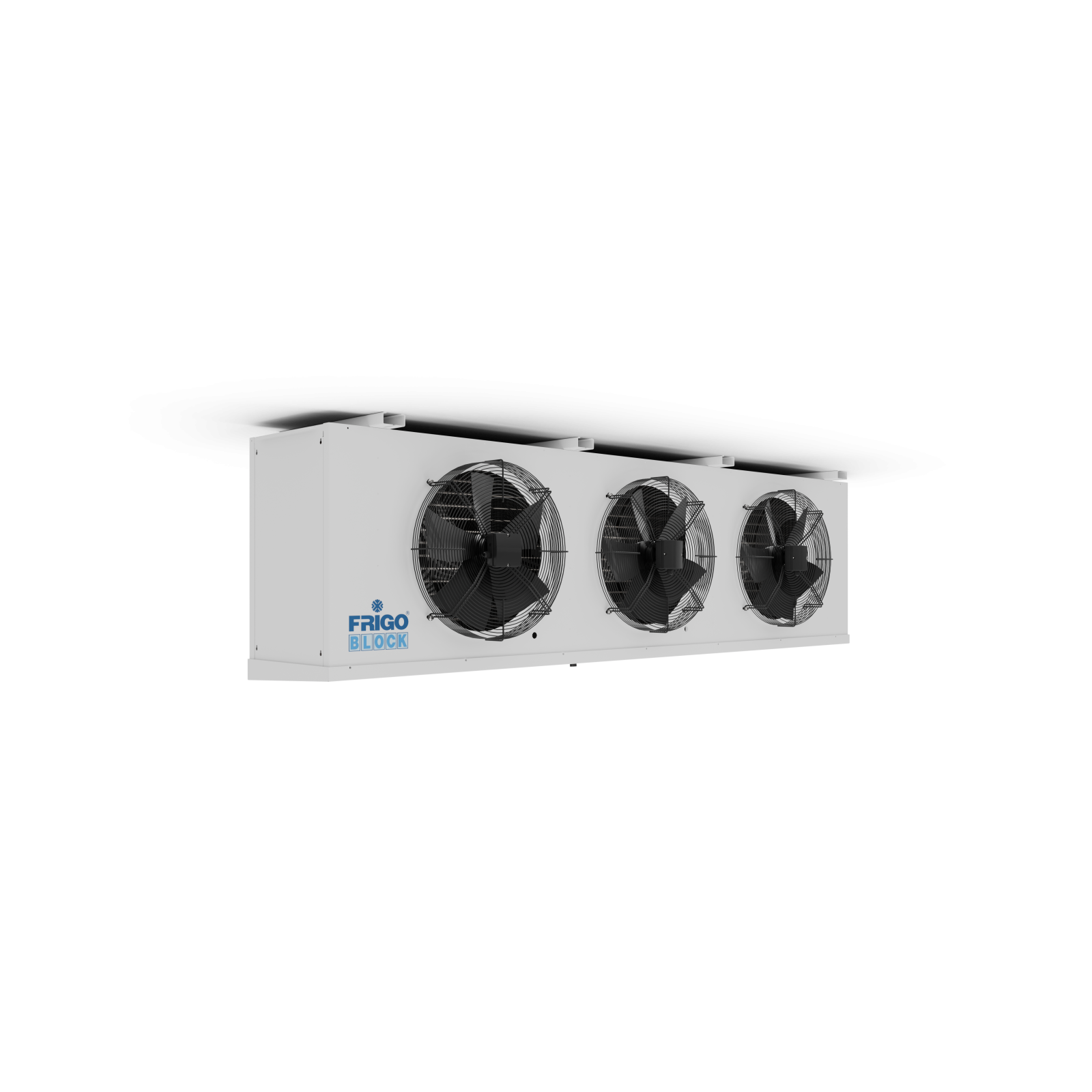
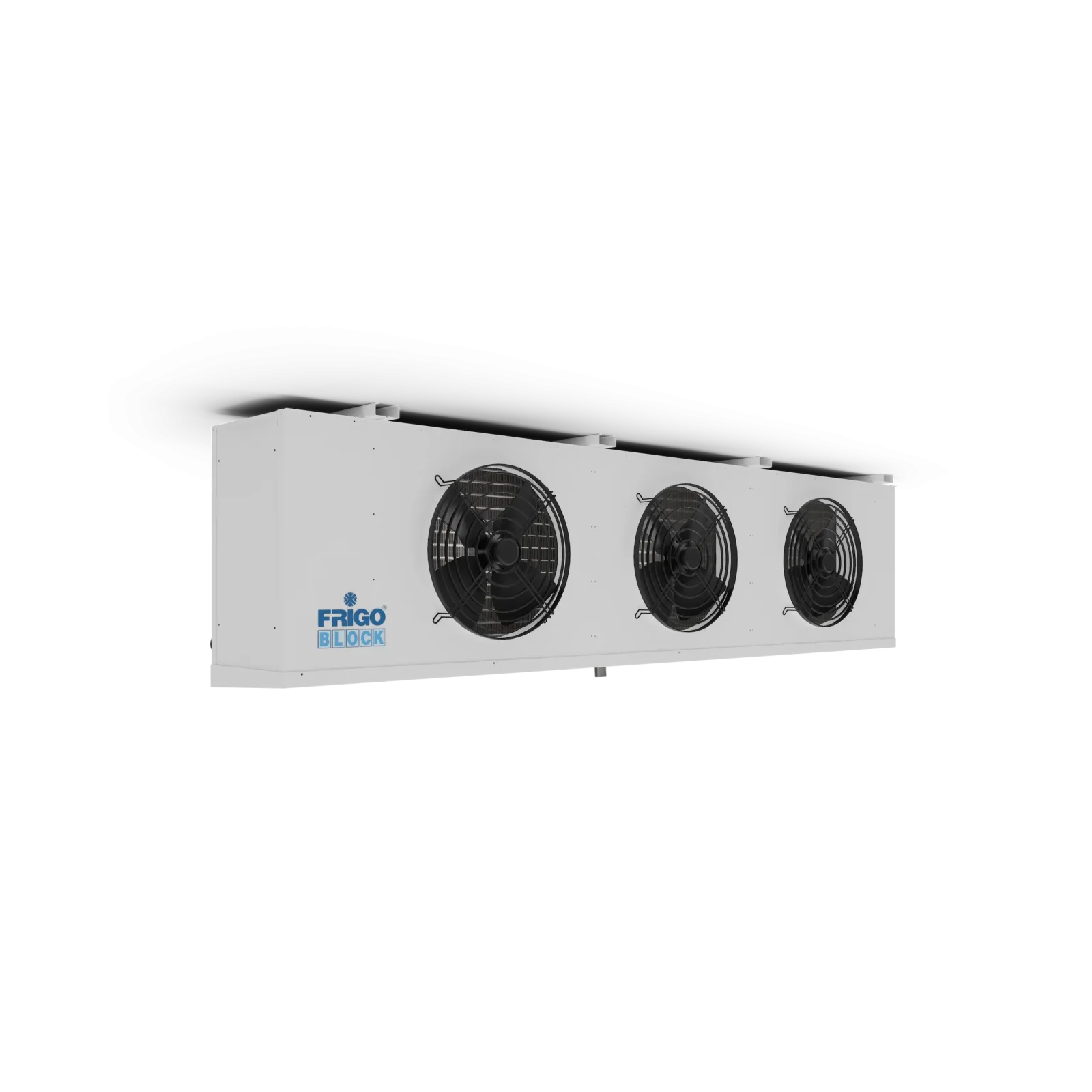
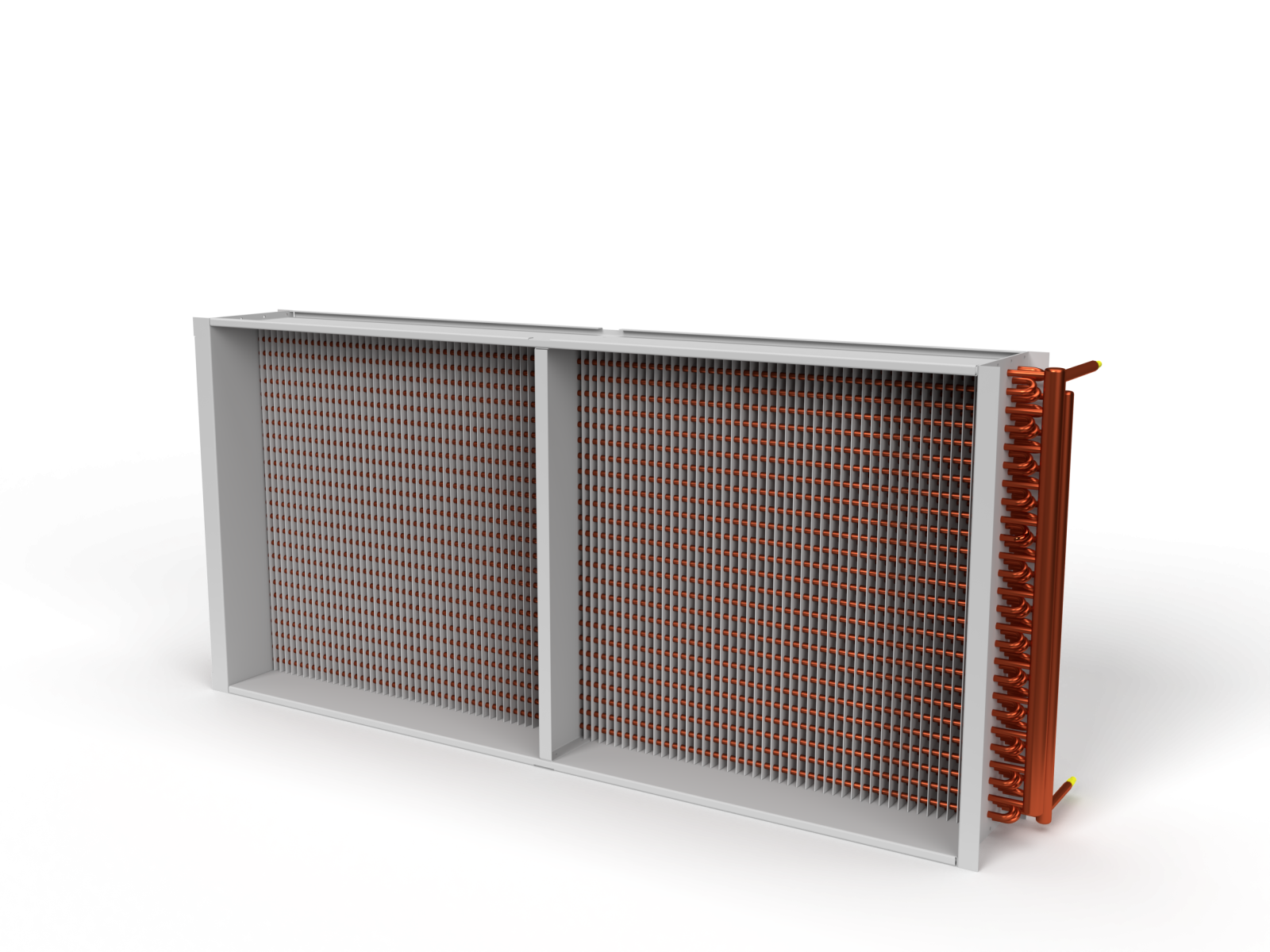
Evaporator (Indoor Unit)

  • It should be placed in a way that ensures homogeneous air distribution.
  • It should not be close to the door and should be installed flat (check with a spirit level).

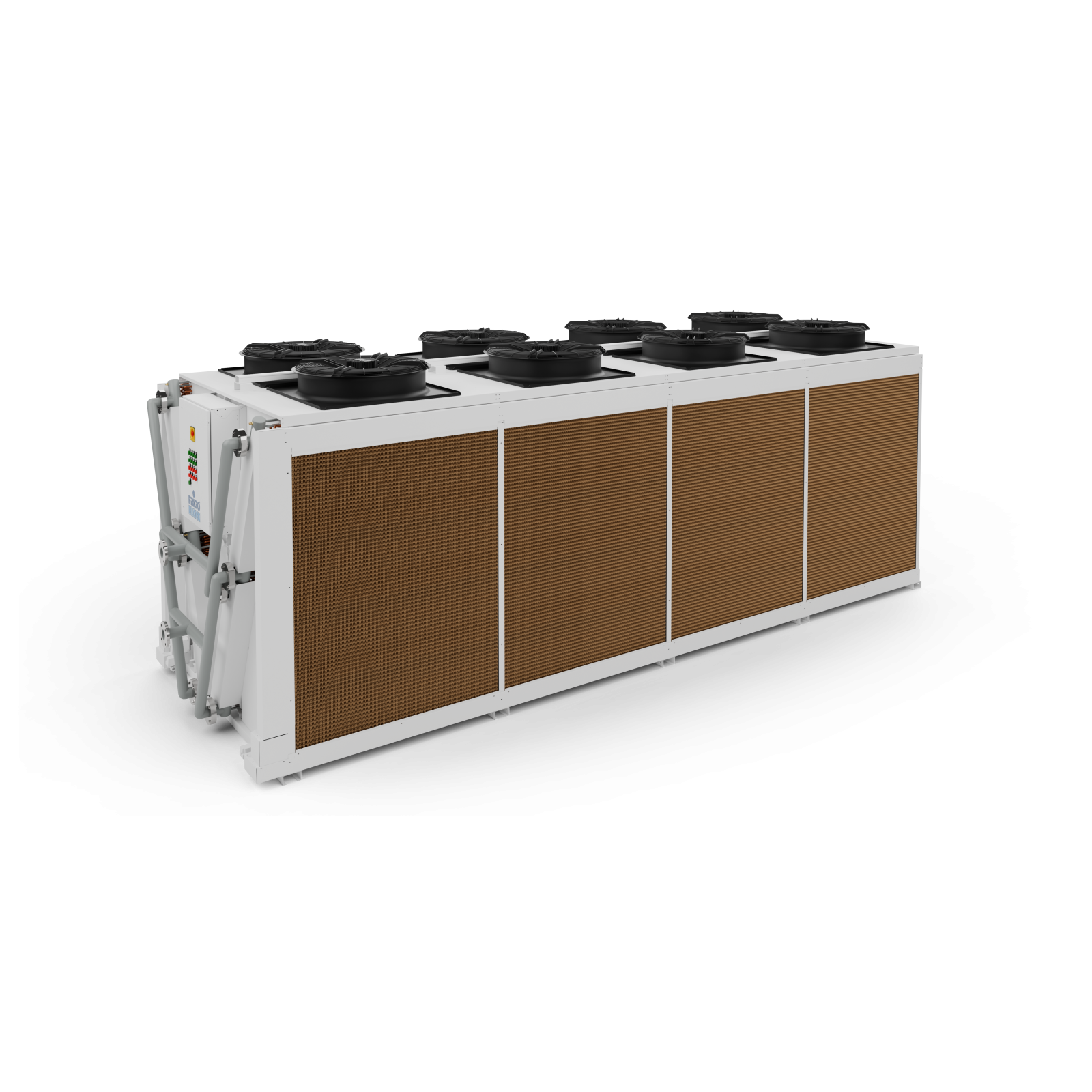
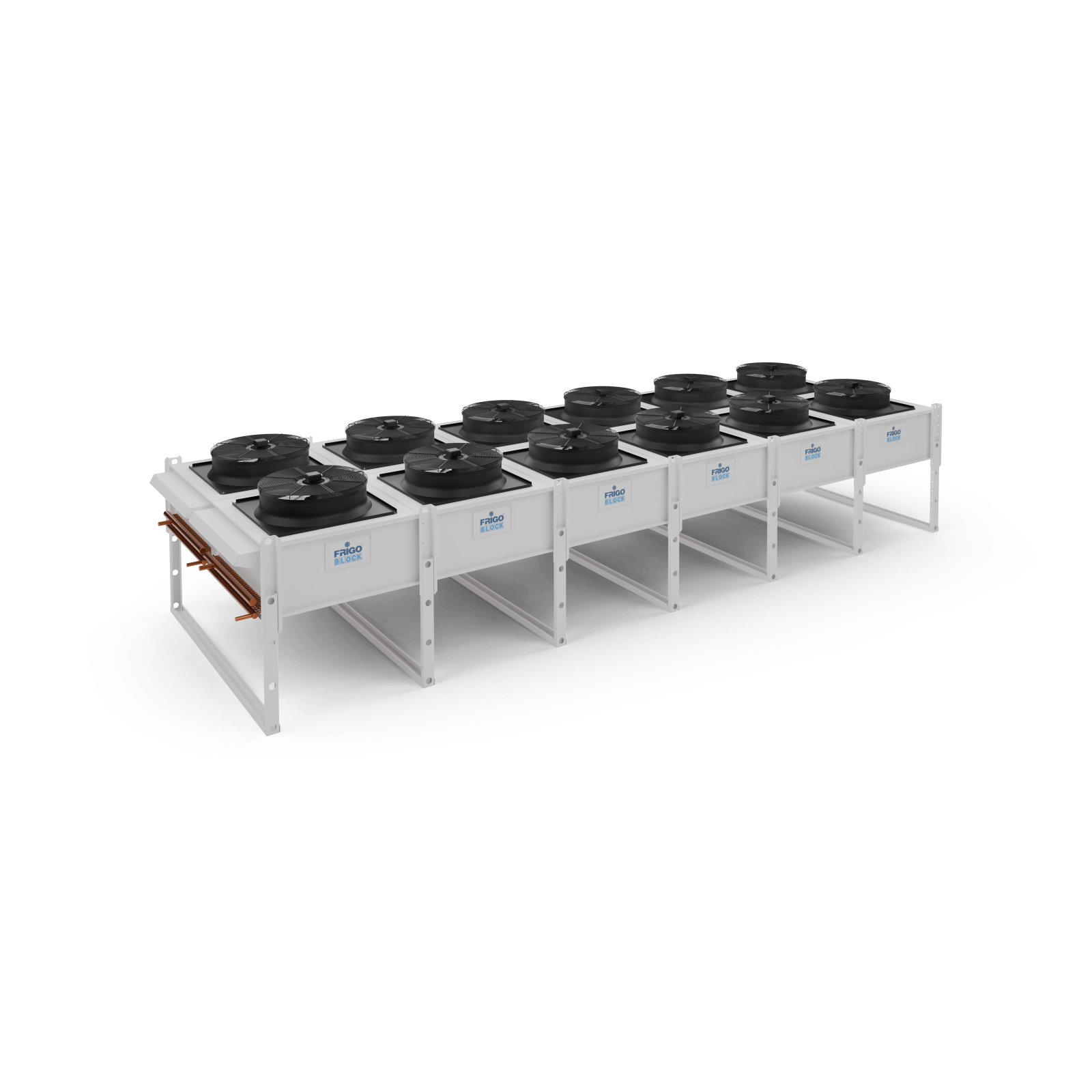
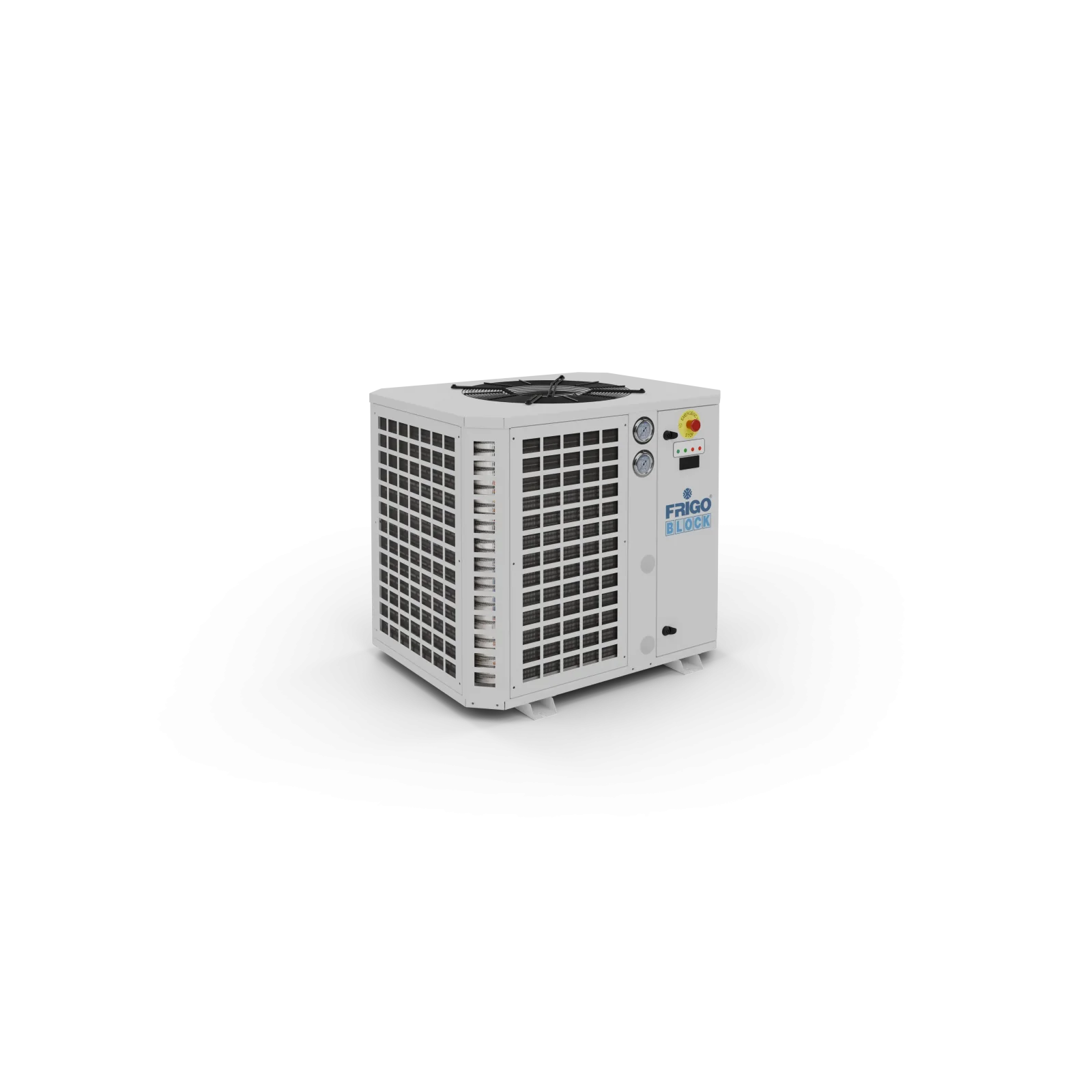
Condenser (Outdoor Unit)

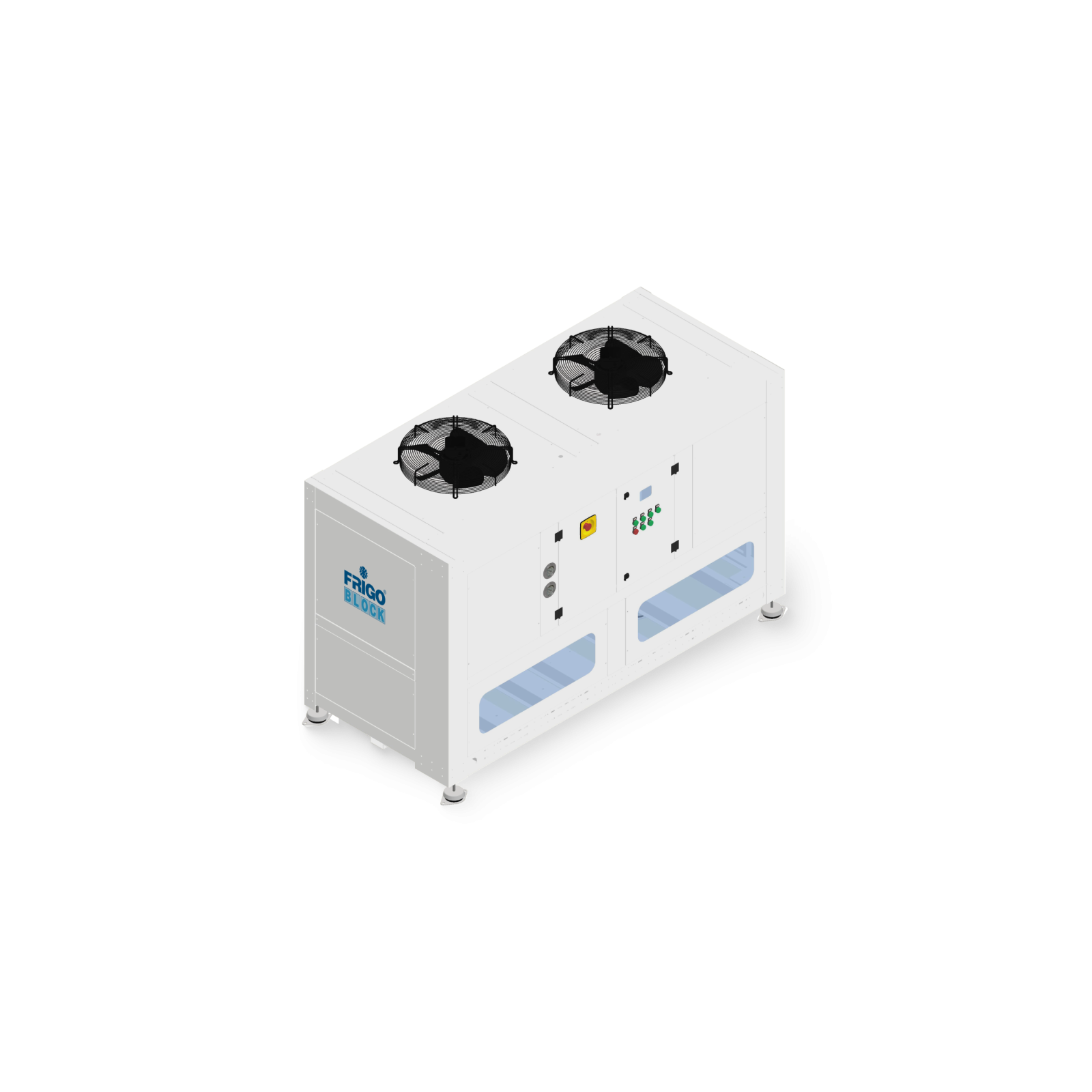
  • It should be installed in an area where natural ventilation can be provided throughout the day.
  • There should be no obstructions in the air suction and blowing directions.
  • It should be in an accessible location for ease of maintenance and intervention.
  • If it is outdoors, it should be protected against sun, rain and dust (a porch should be built).

Recommended Storage Conditions for Food Products

Product Storage Temperature Storage Period
Frozen Fish -20°C 6–12 Months
Frozen Meat -18°C 4–12 Months
Frozen Chicken -18°C 12 Months
Butter -23°C 12–20 Months
Ice cream -25/-30°C 3–23 Months
Frozen Vegetables -23°C 6–12 Months
Frozen Fruits -18°C 18–24 Months