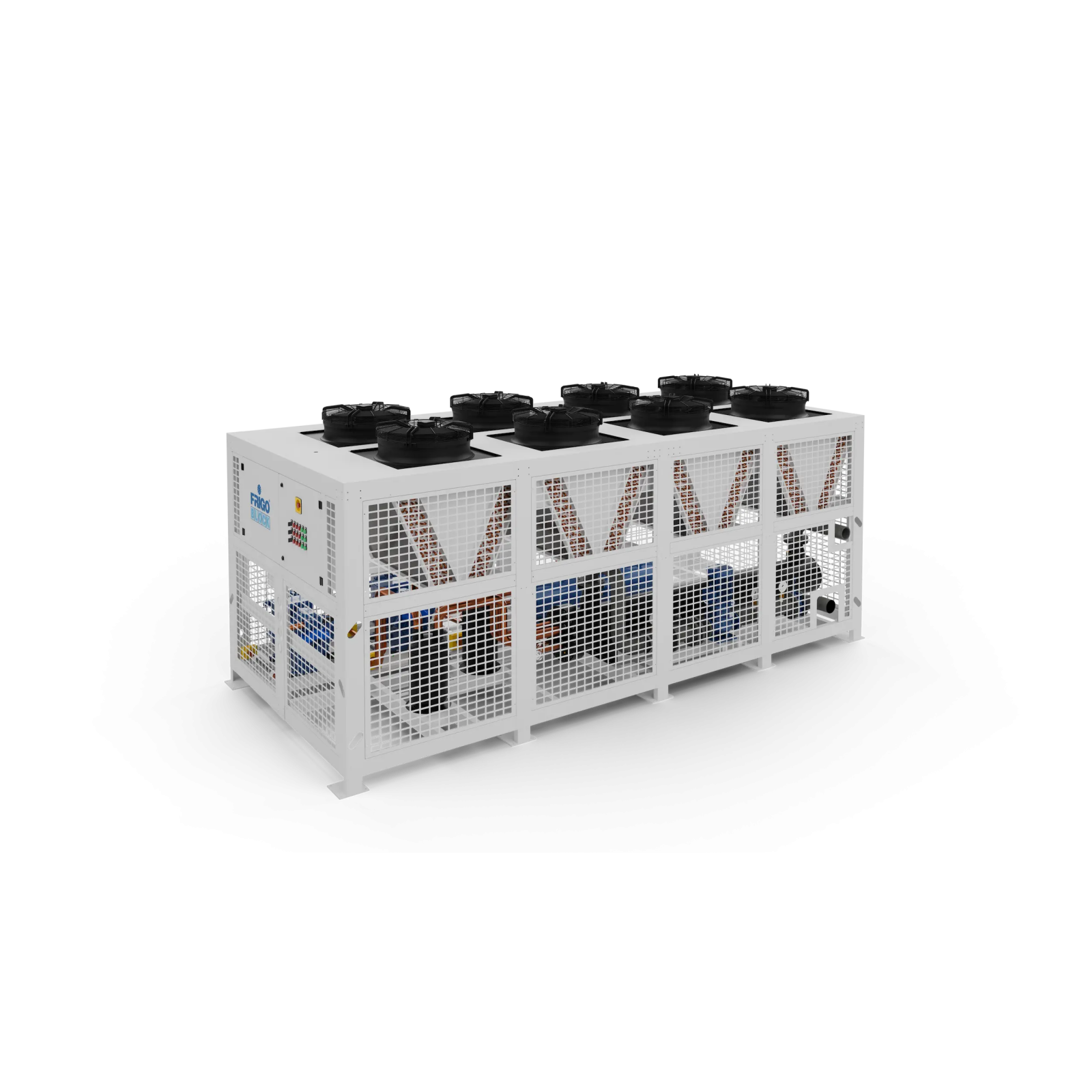
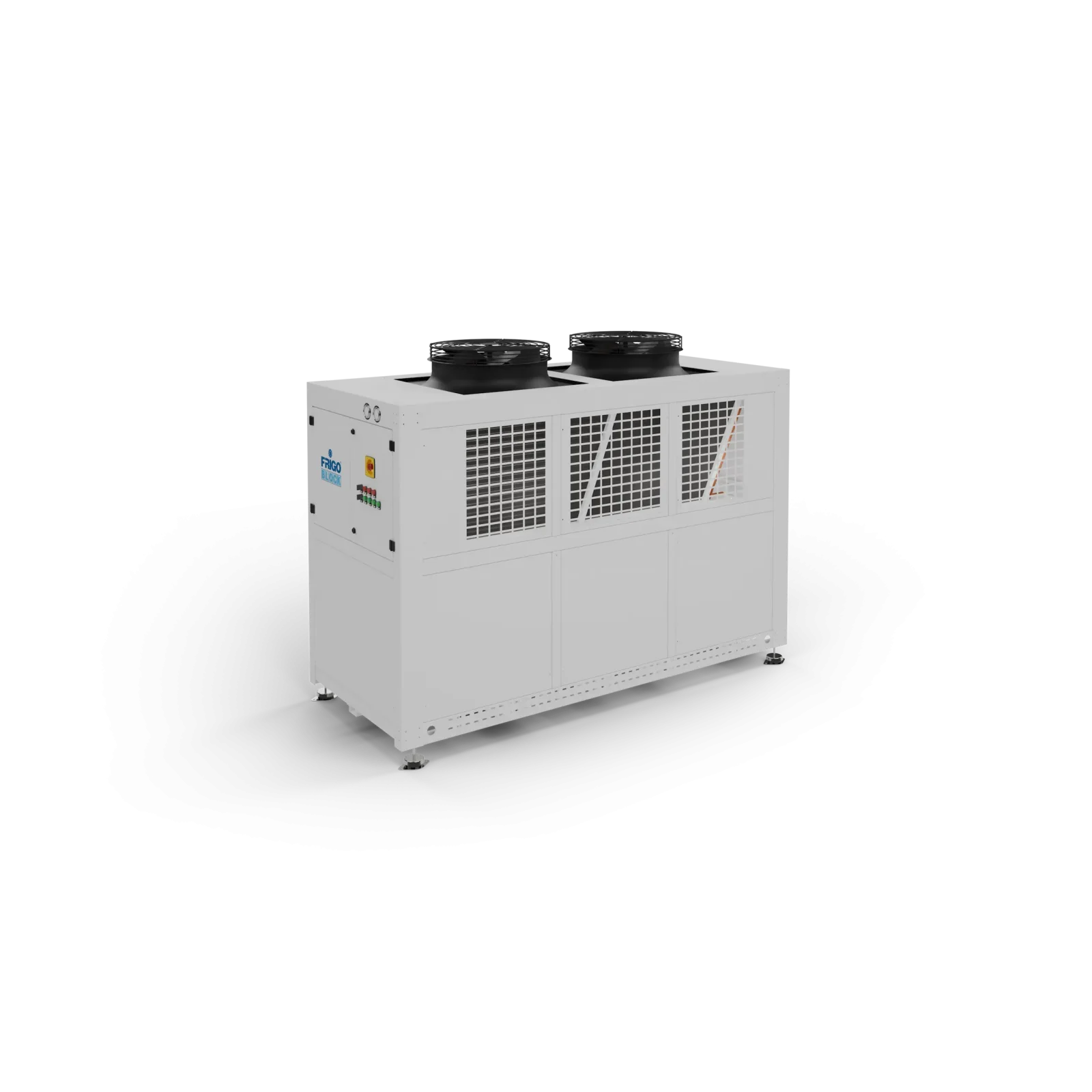
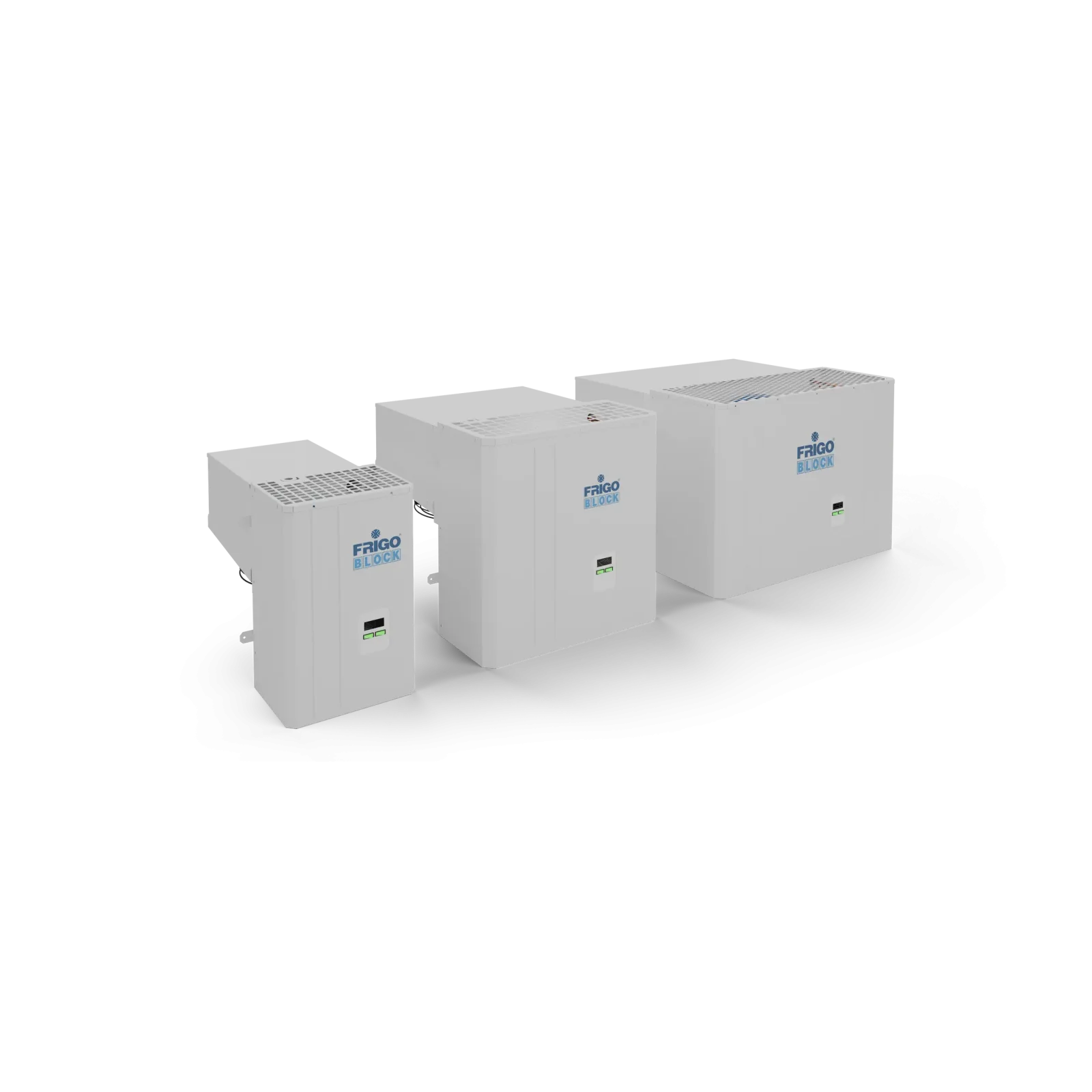
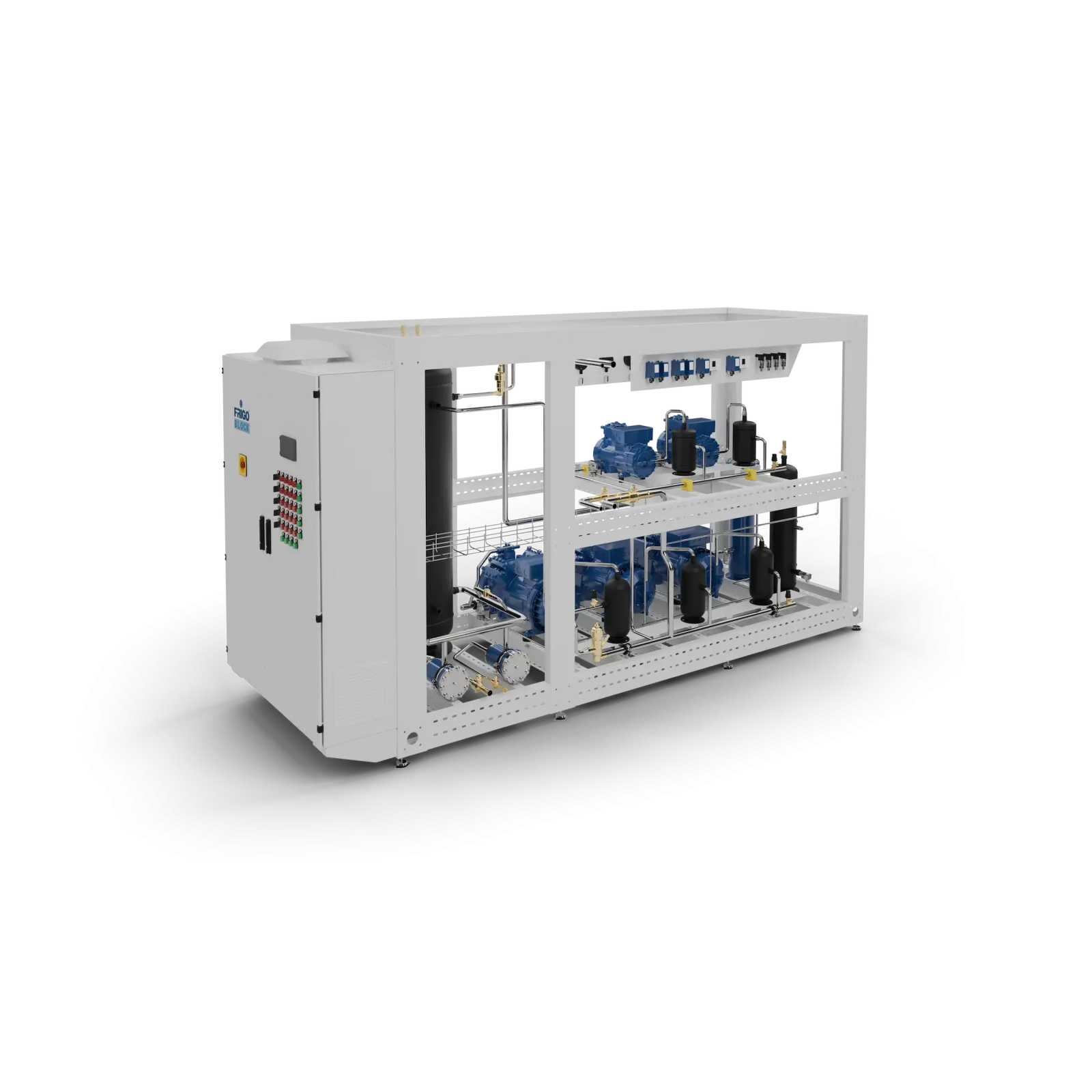
Cold rooms are special areas where food is maintained at specific temperature and humidity levels to extend its shelf life under normal conditions, and are isolated from heat and moisture exchange with the outside atmosphere. Temperature and humidity control in these rooms is crucial for food safety and product quality.
The primary goal of a cold storage system is to maintain constant temperature and relative humidity levels during product storage. Even short-term temperature increases can accelerate microbial growth and negatively impact product quality.
Cold room systems slow down chemical and enzymatic reactions, delaying the development of microorganisms, and thus food products can be stored without losing their nutritional value.
The physical structure and packaging material of products placed in cold storage affect the transpiration rate in the room. This effect is particularly pronounced when products are first cooled.

Products within the cold storage area should be placed in a way that does not obstruct air circulation. This will balance the temperature distribution and ensure even cooling of the products.

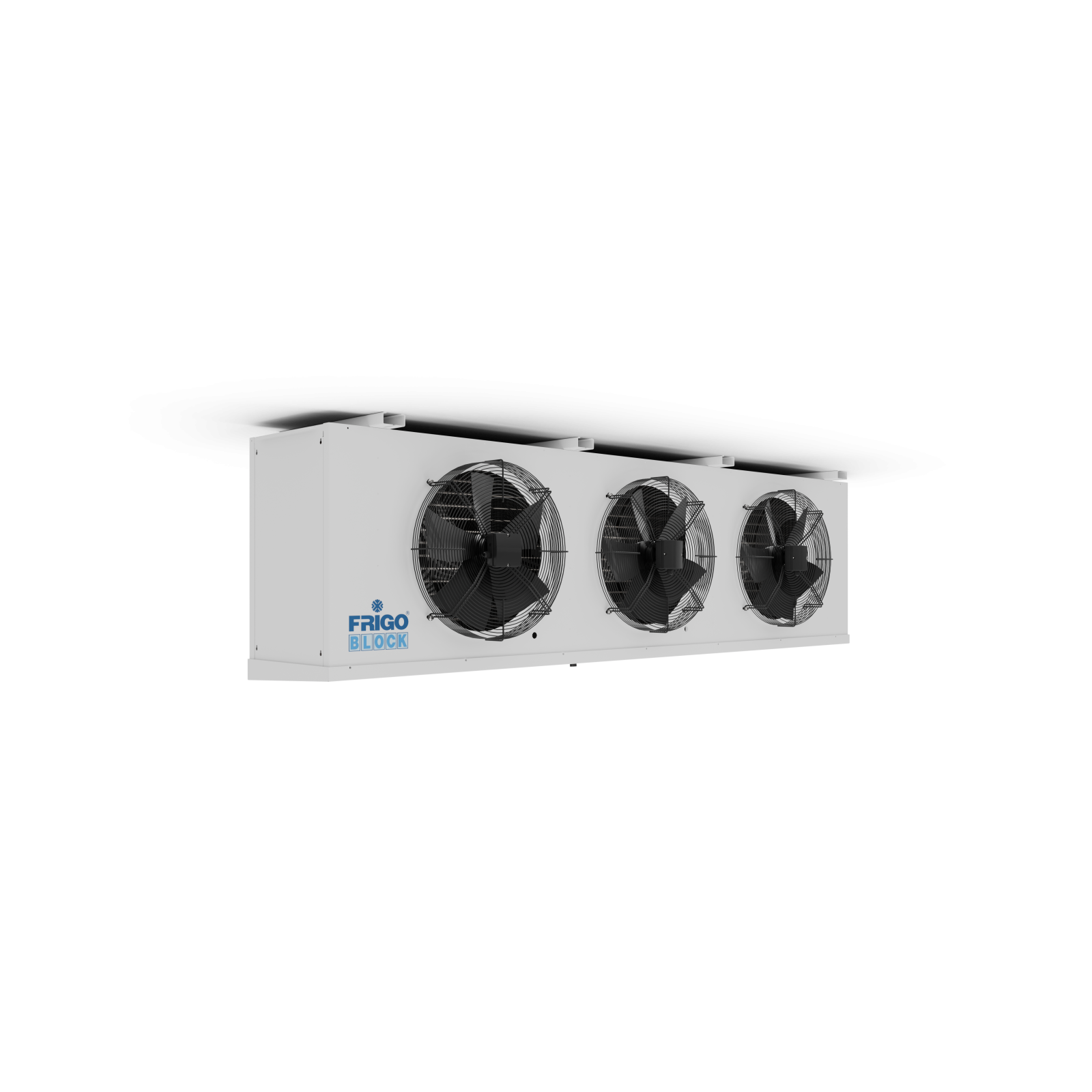
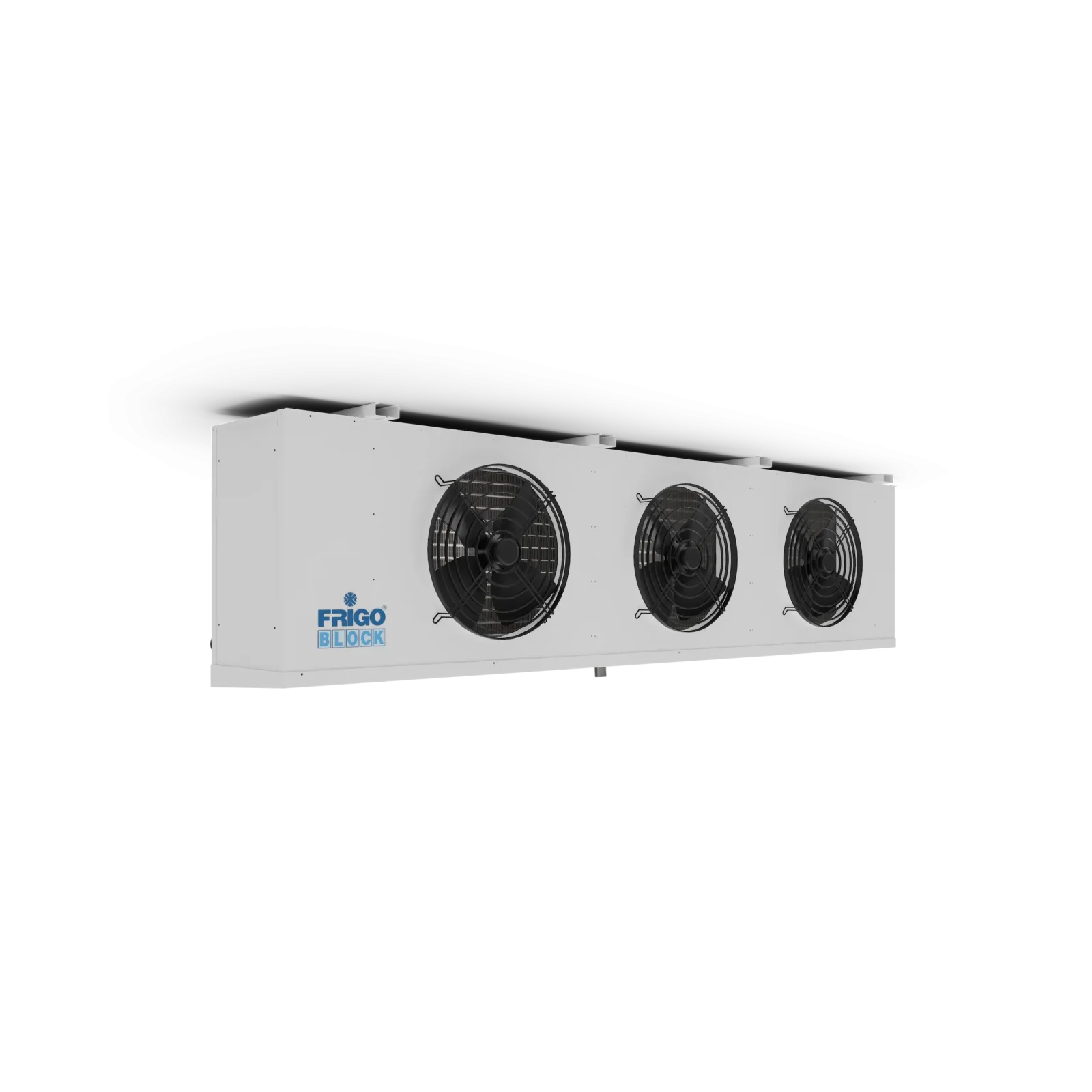
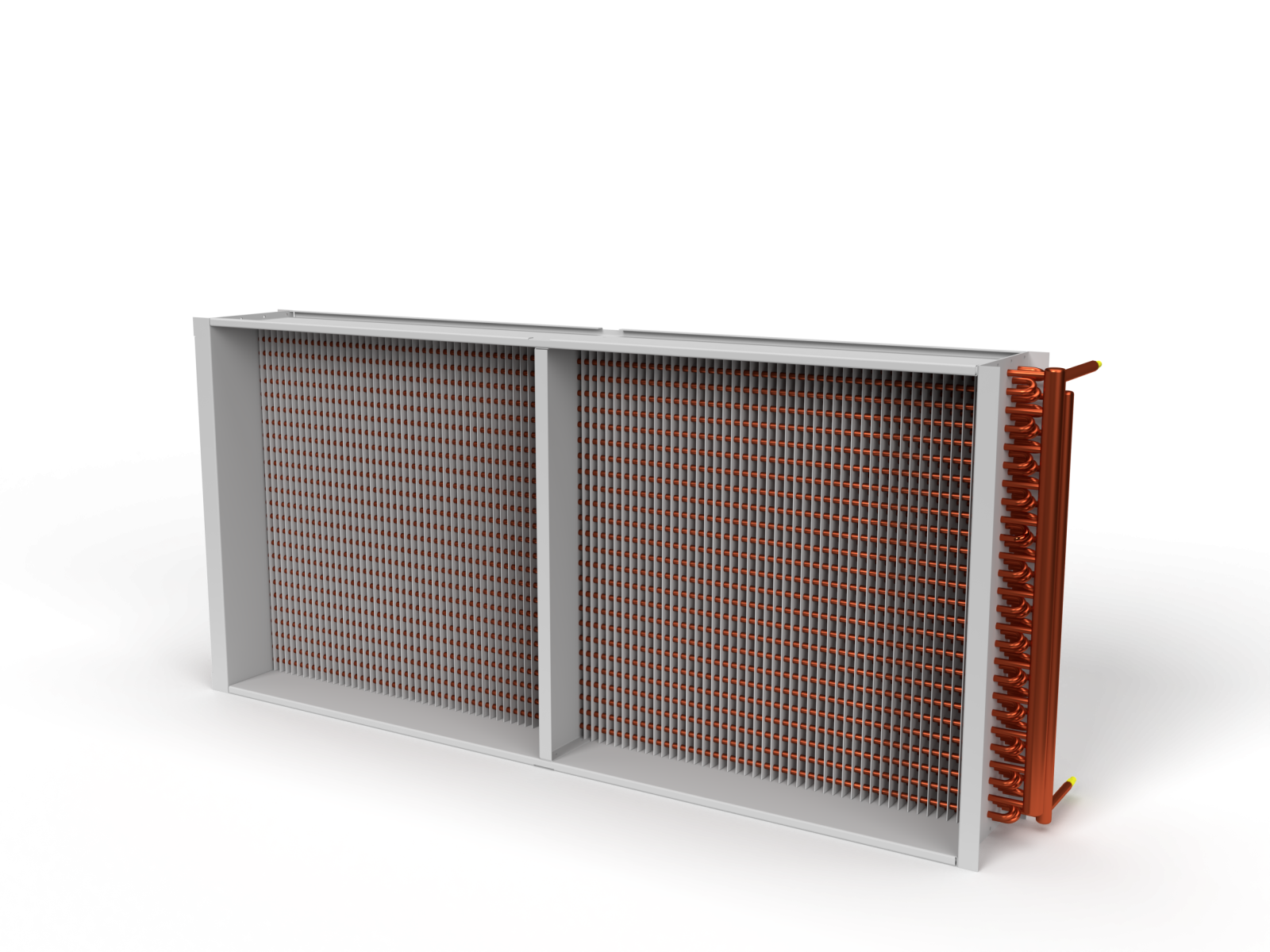
Evaporator surface area, number of fans, fan cross-section, and air flow directly affect temperature and humidity control within the cold room. These components are crucial for cooling efficiency.

Considering heat transfer, the temperature difference between the cold room and the evaporator should be kept to a minimum. Otherwise, icing and frost may form on the evaporator surface.
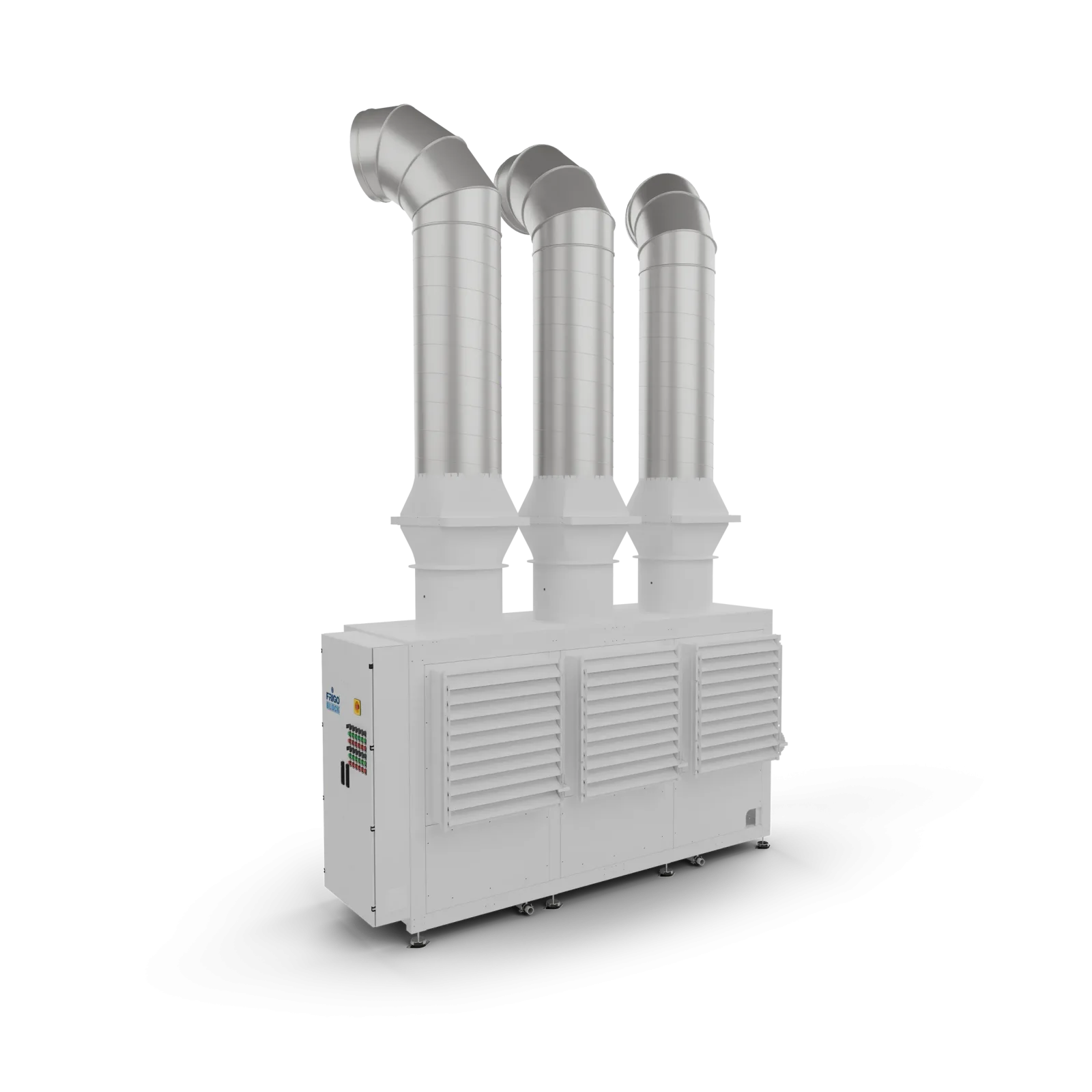
Air circulation in cold storage is vital to maintaining uniform temperature and humidity levels throughout the storage area. Excessive air movement can cause products to lose moisture.

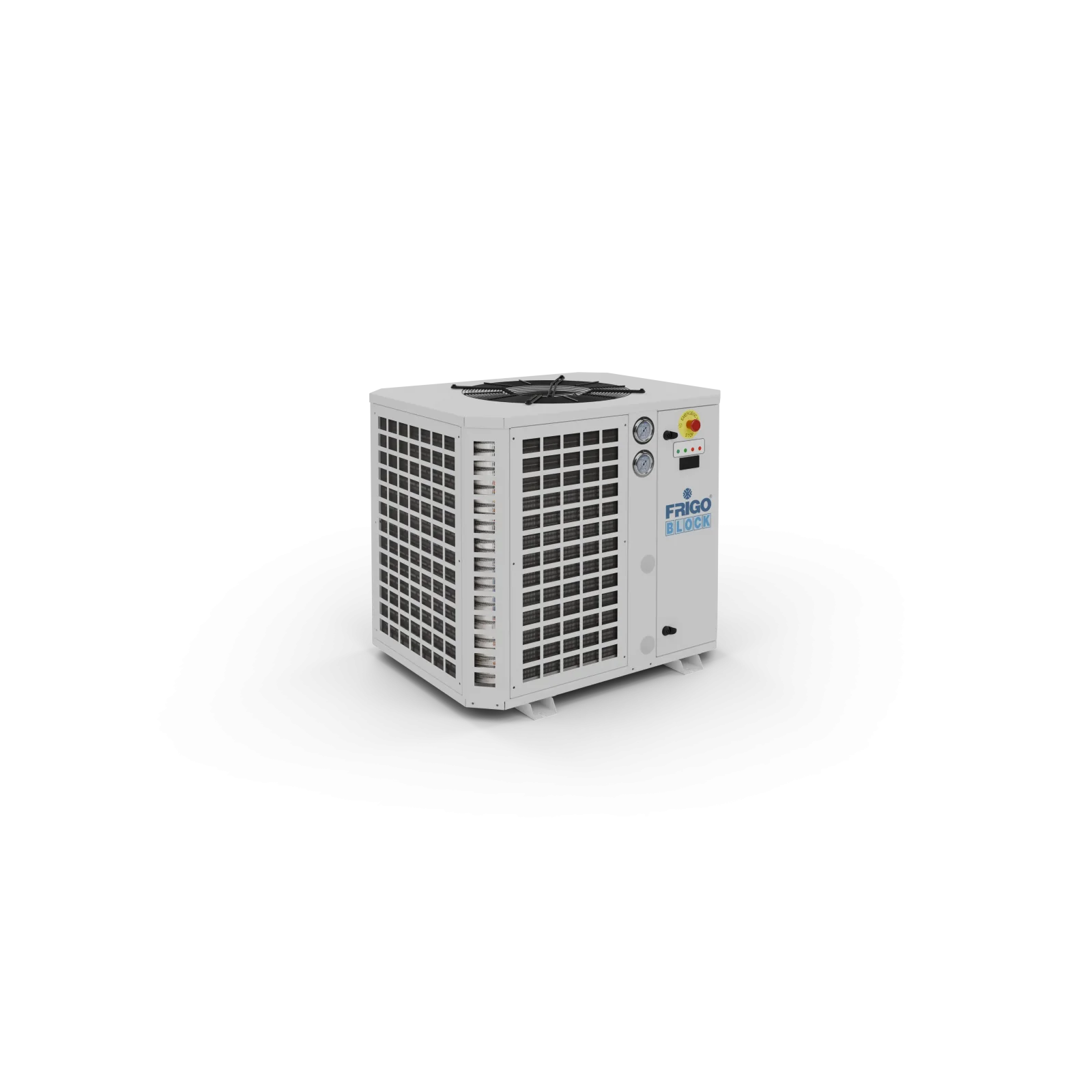
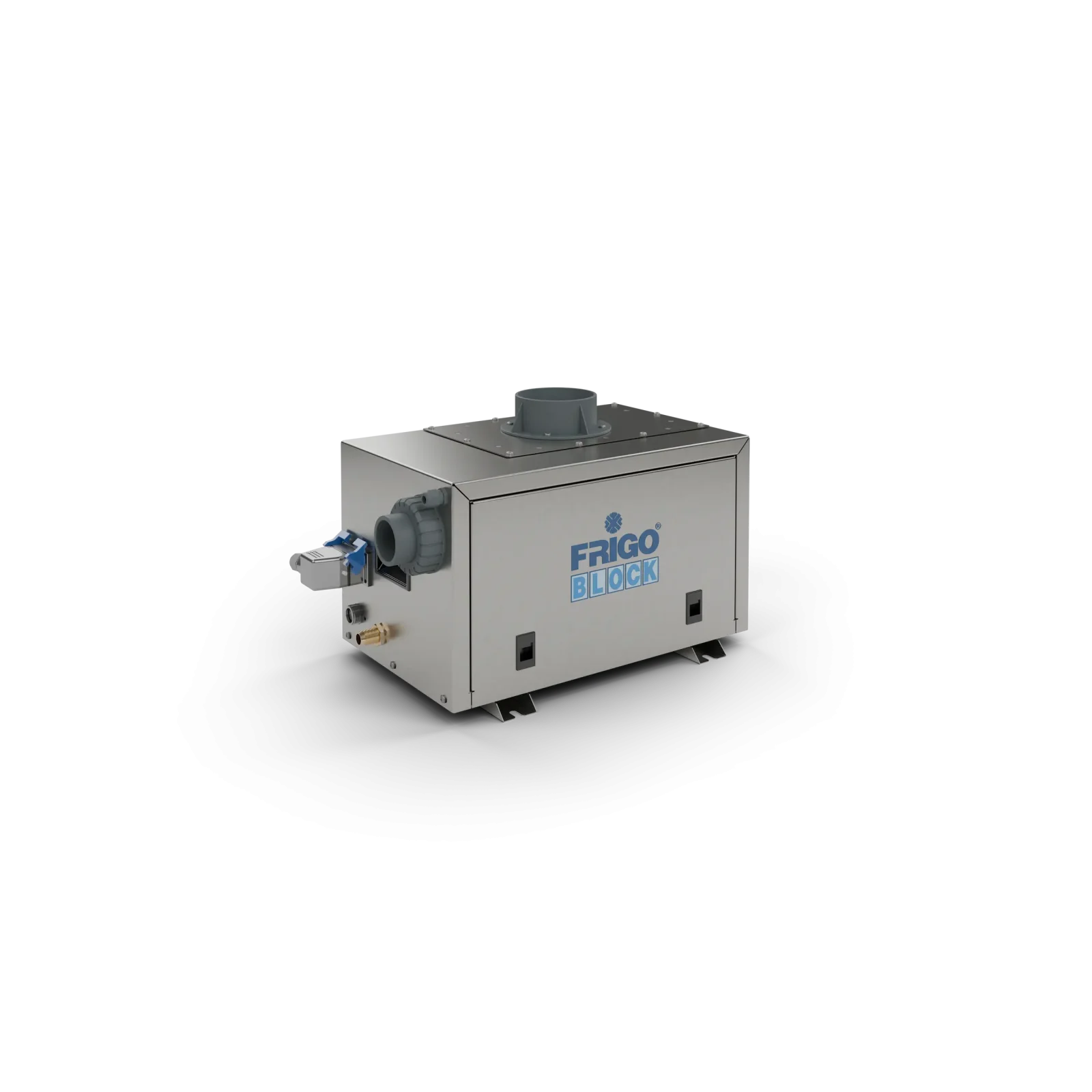
The operating times of cold room devices vary depending on parameters such as room temperature, evaporation temperature and defrost time.

Contact us for detailed information about cold room systems and industrial cooling solutions . With appropriate cold storage design and applications, you can maximize your product quality.