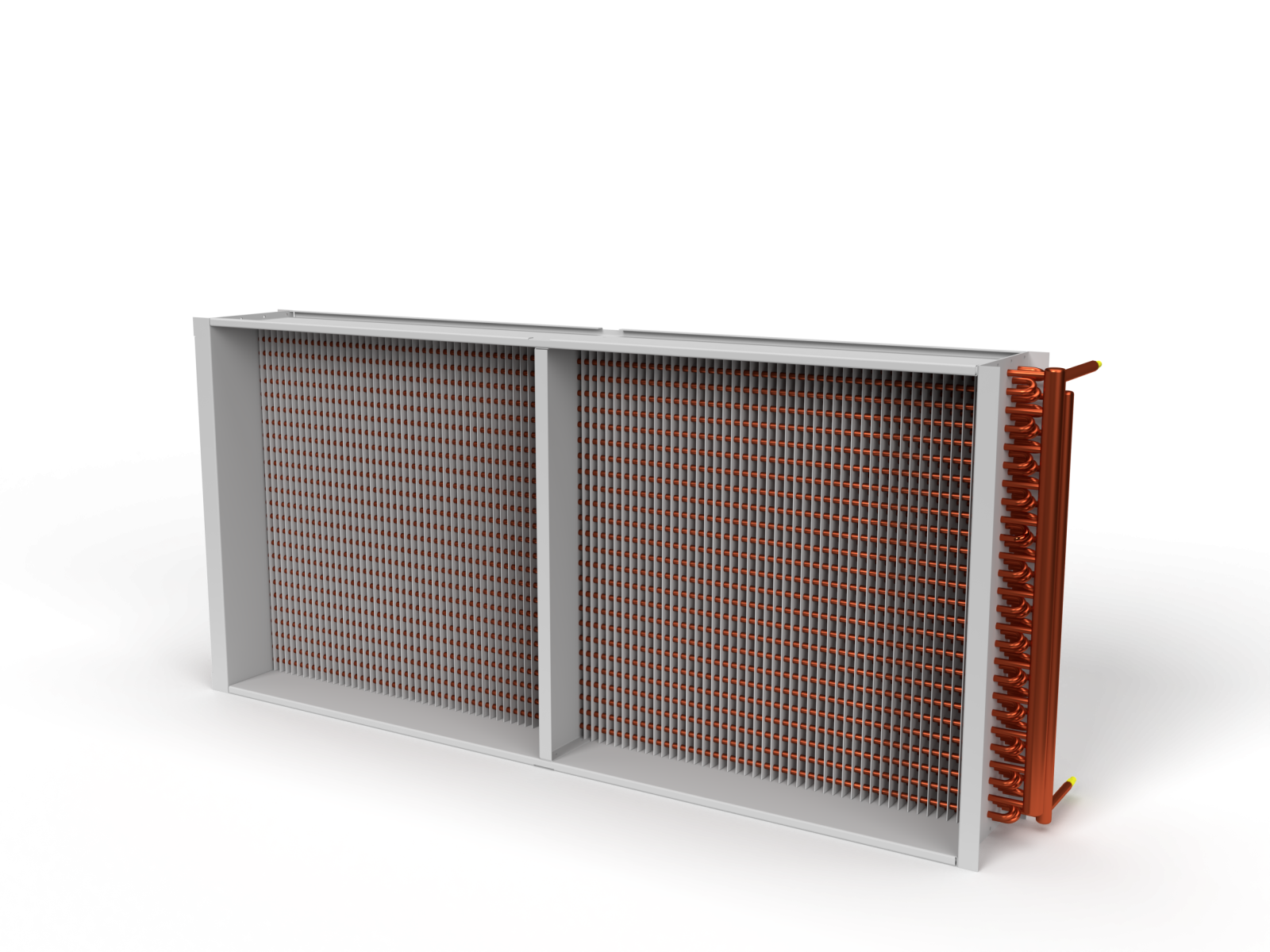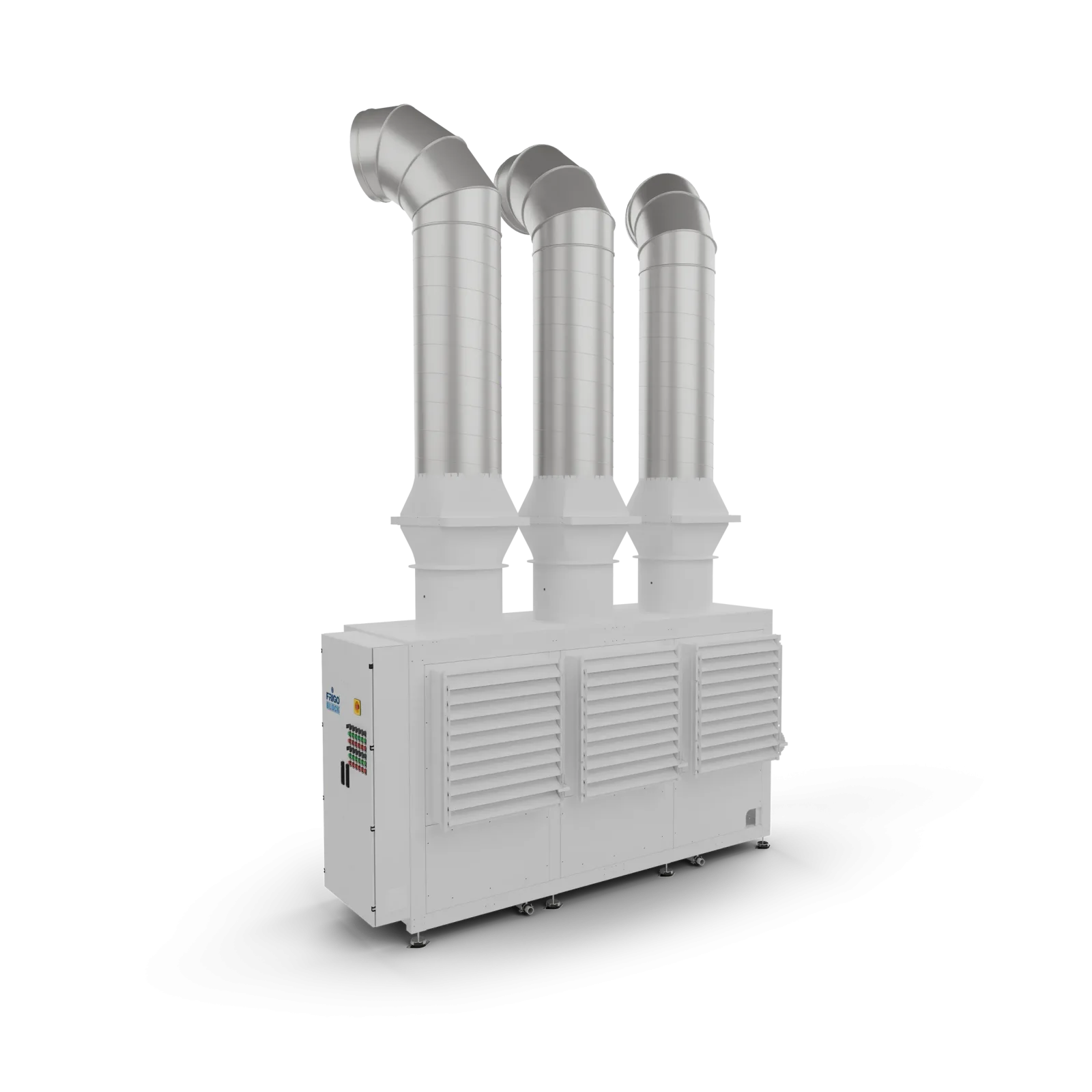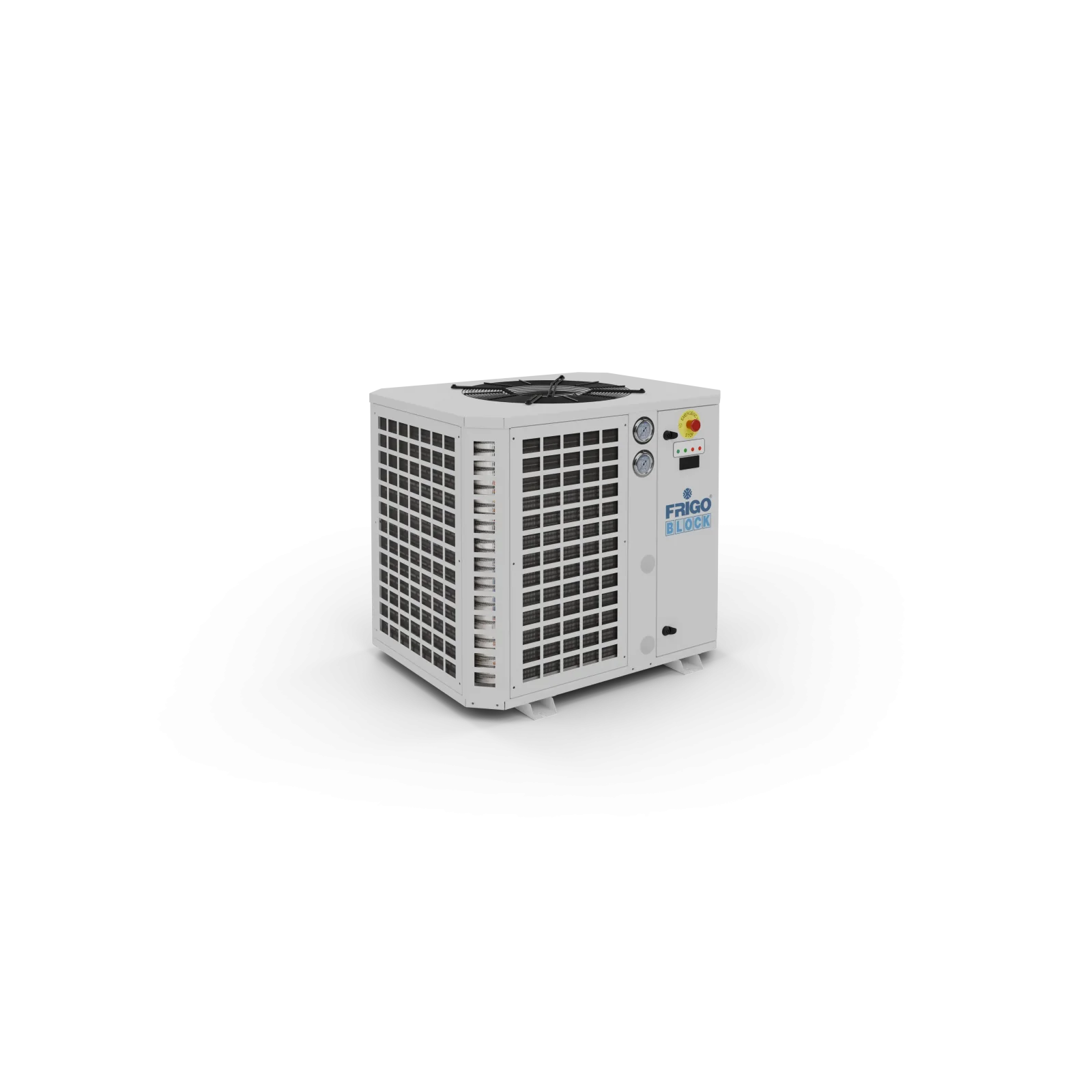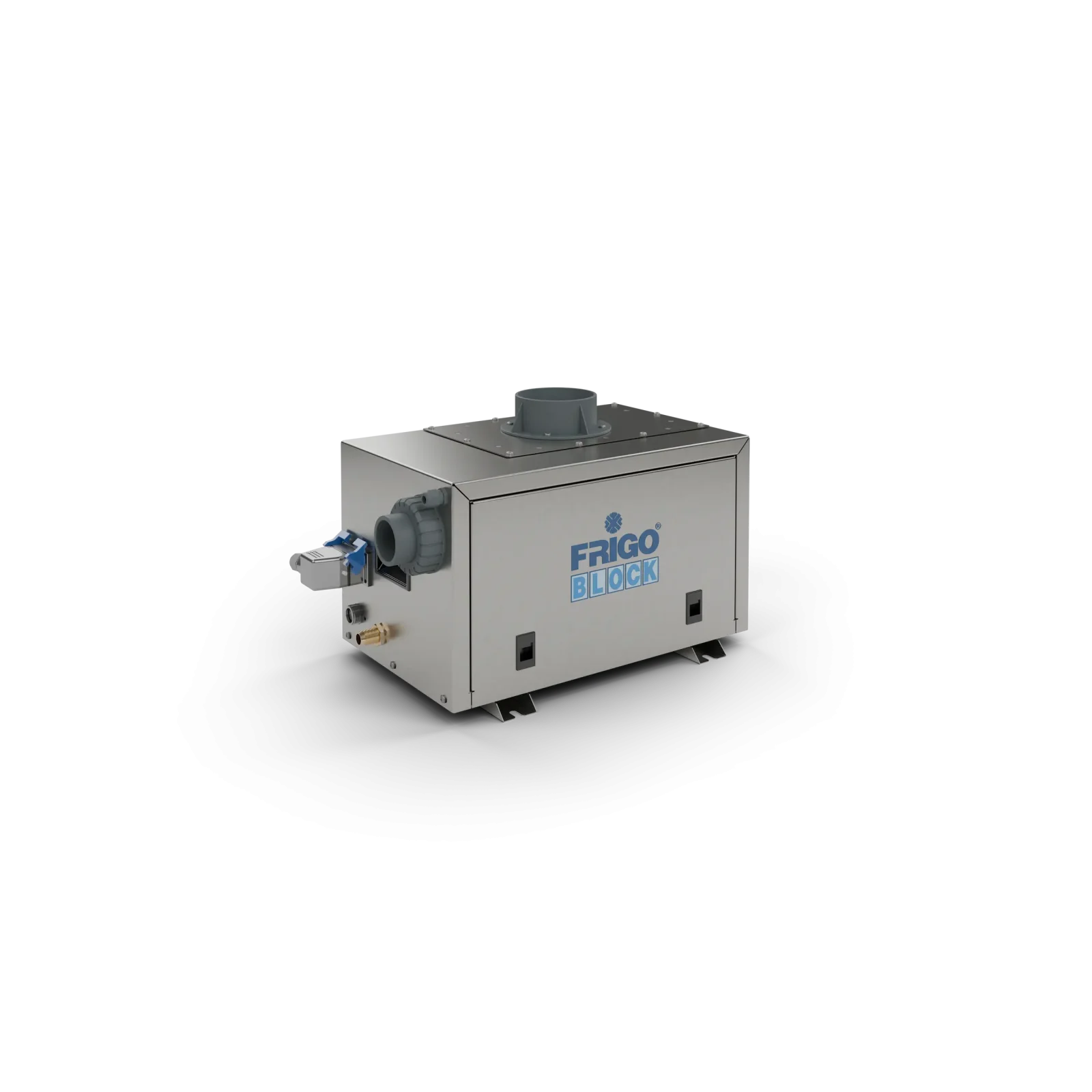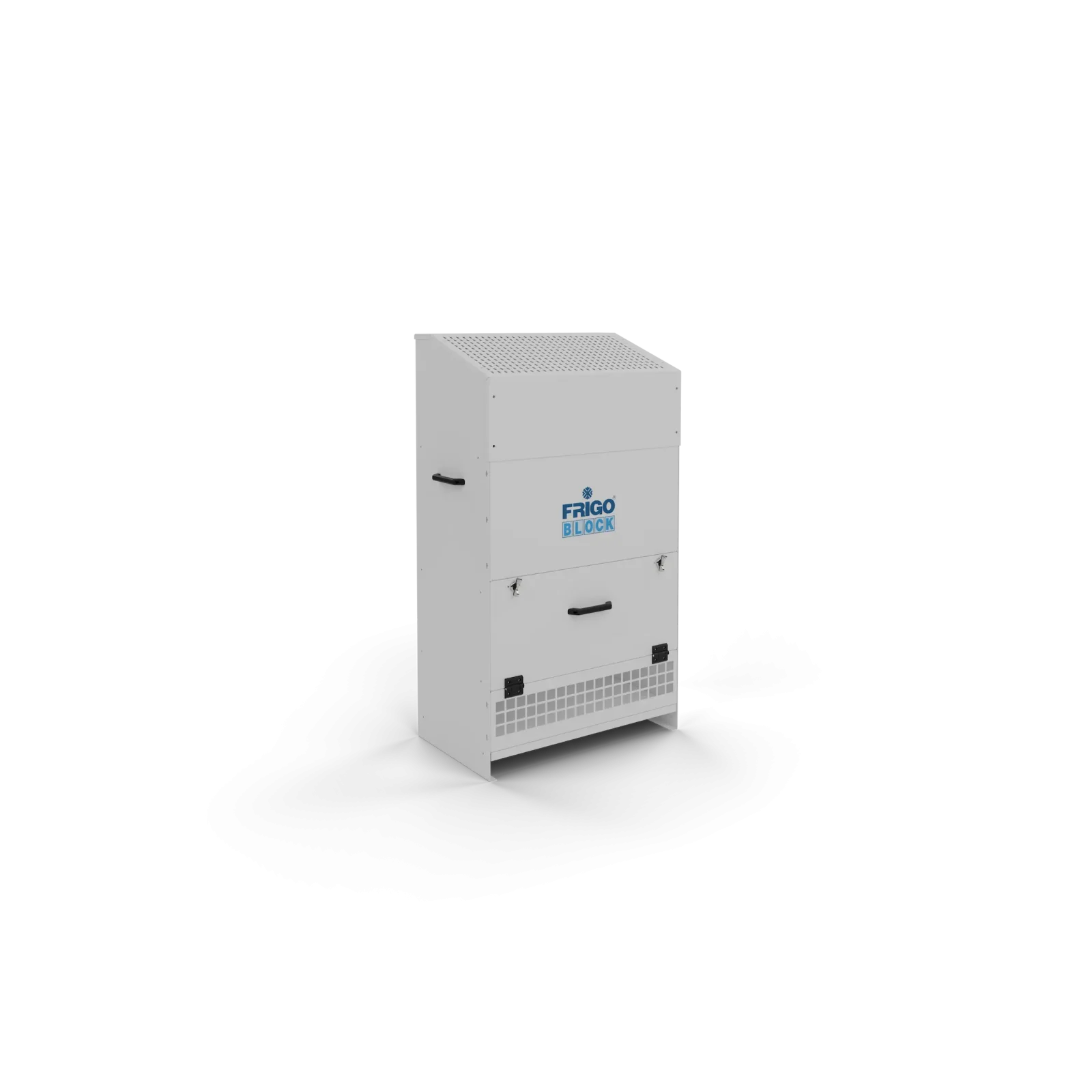
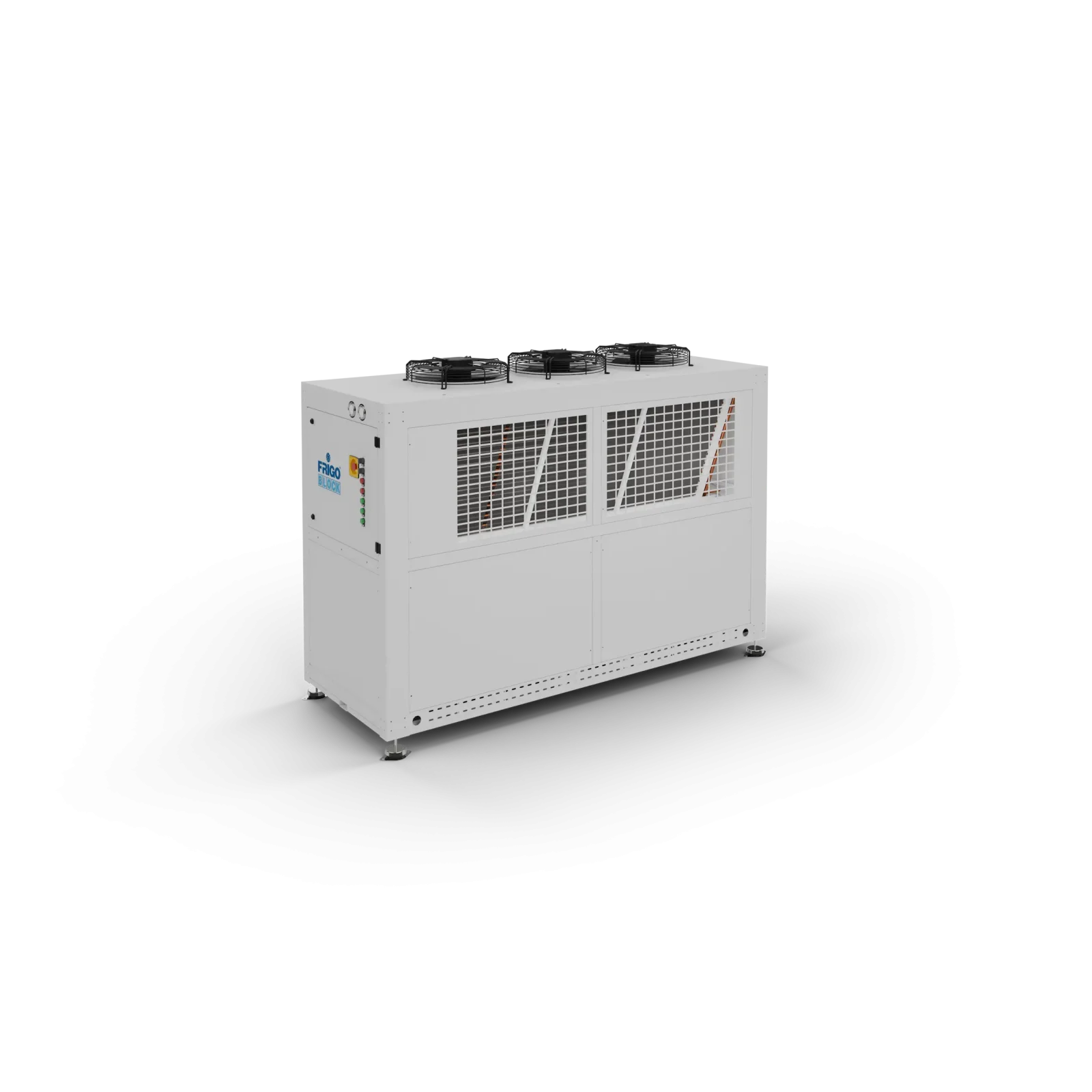
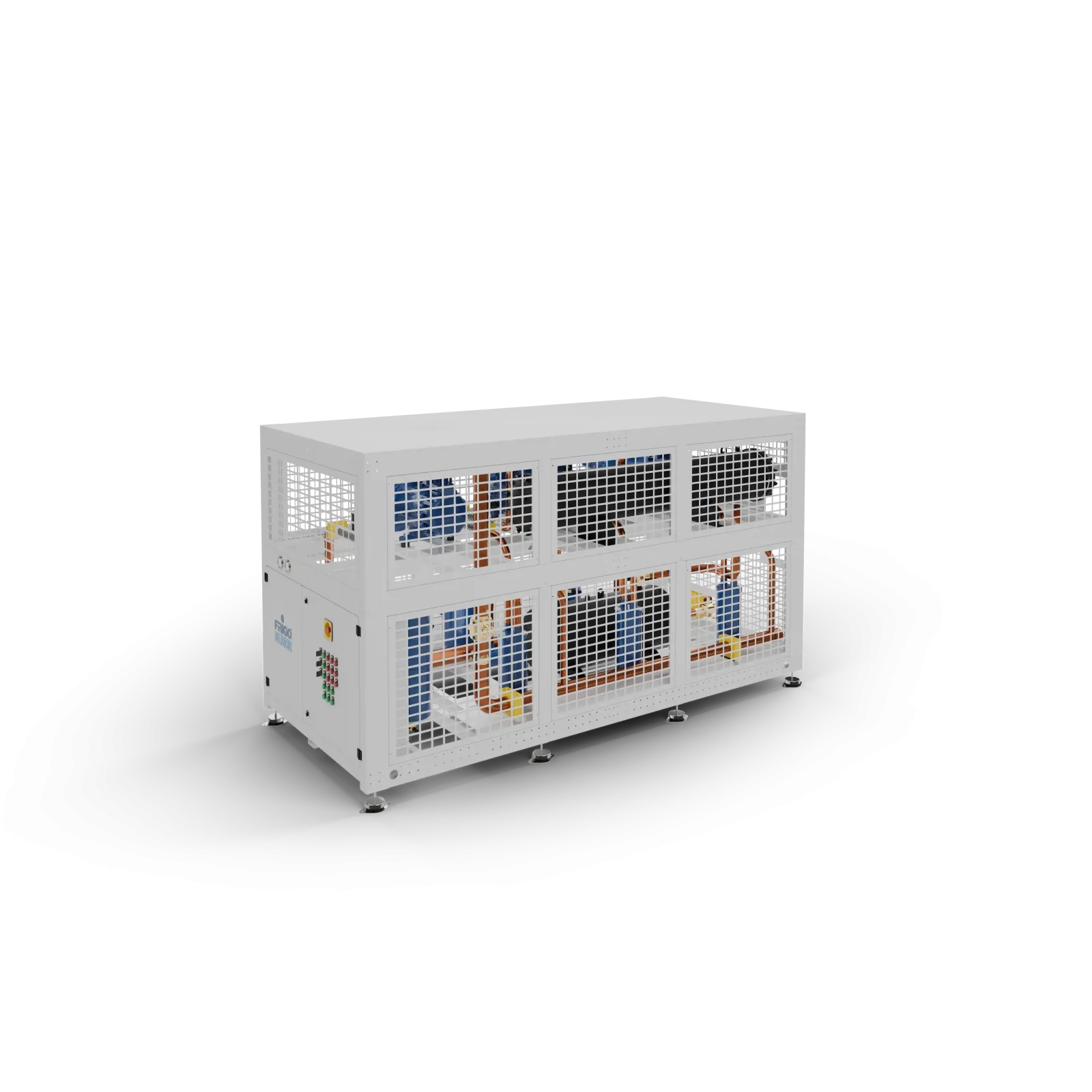
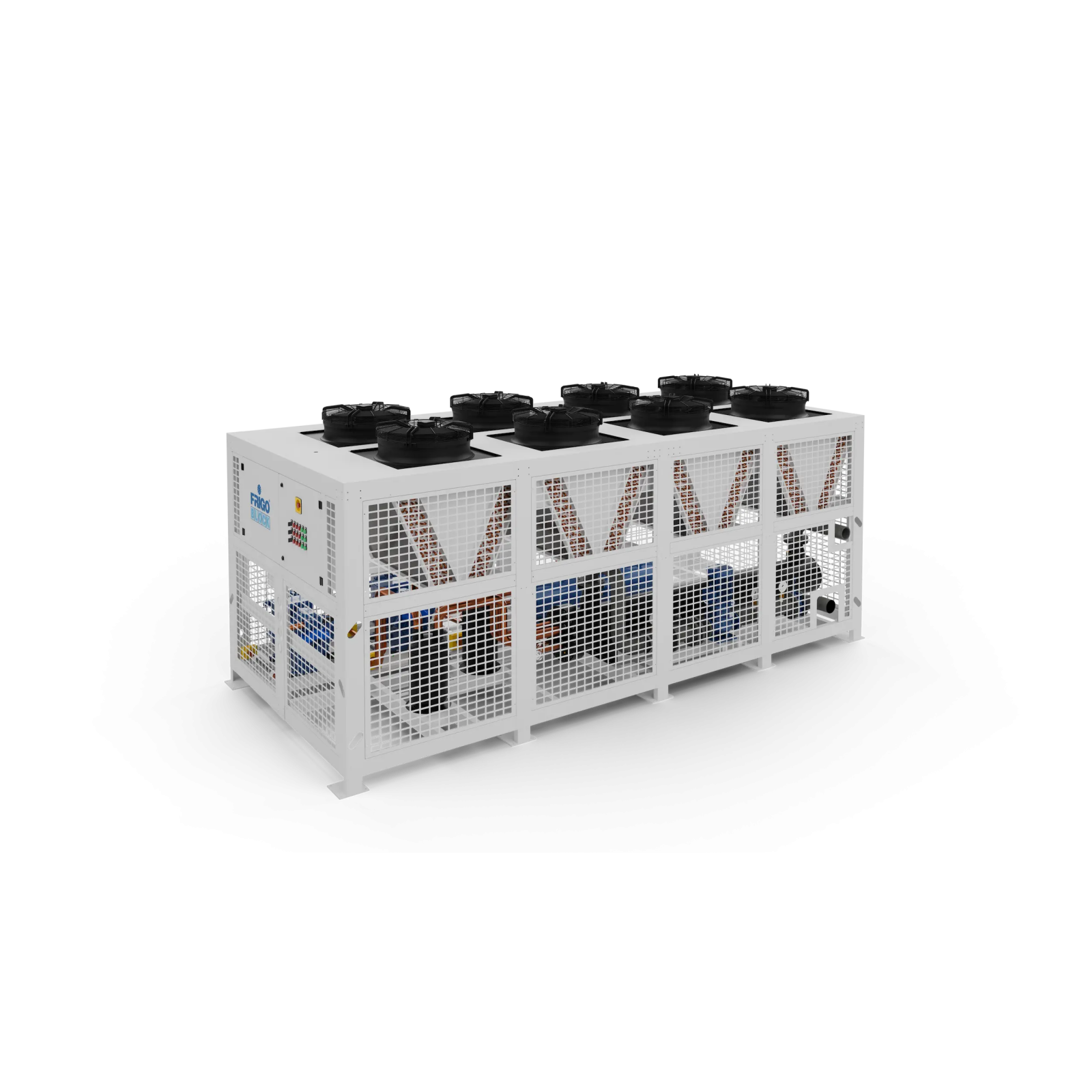
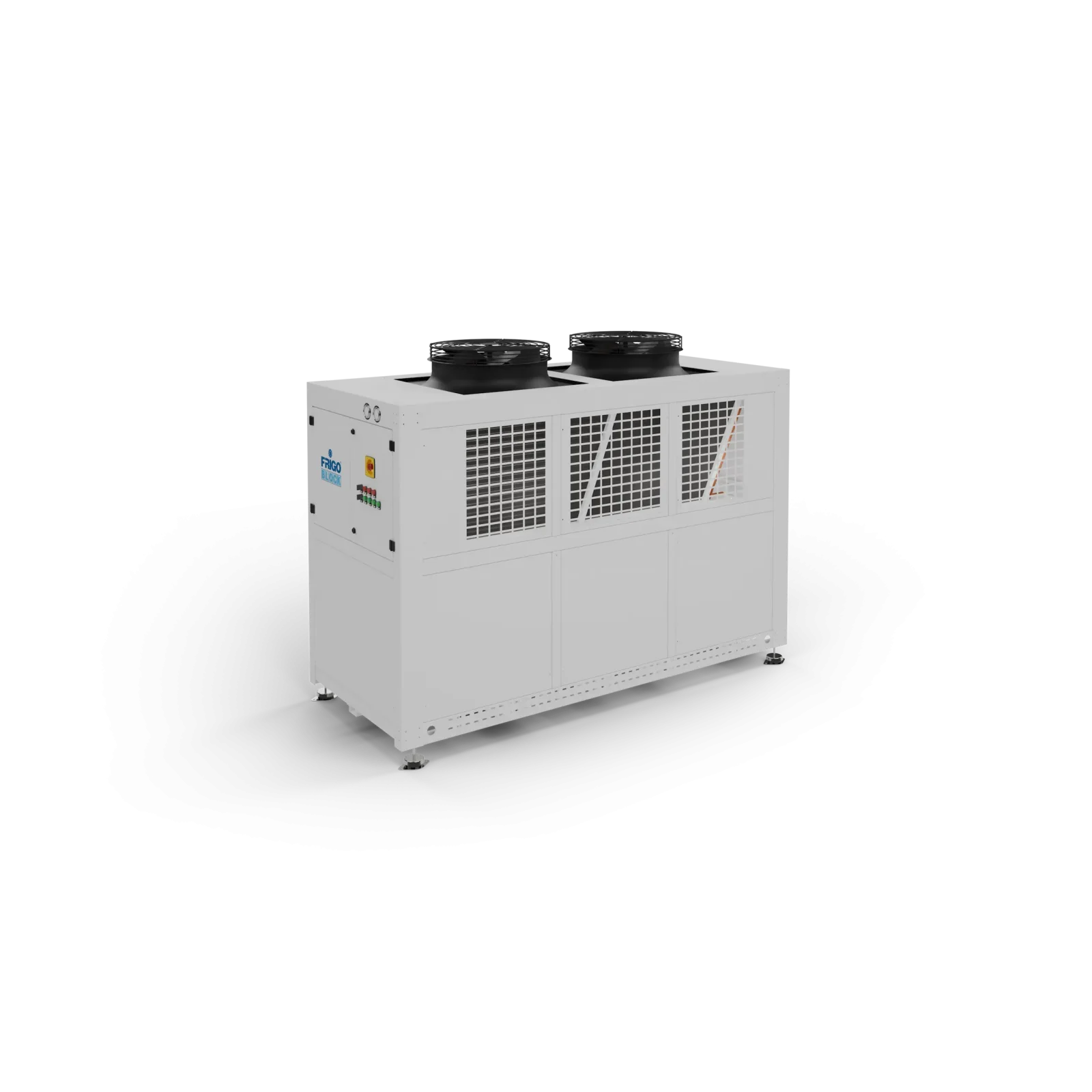
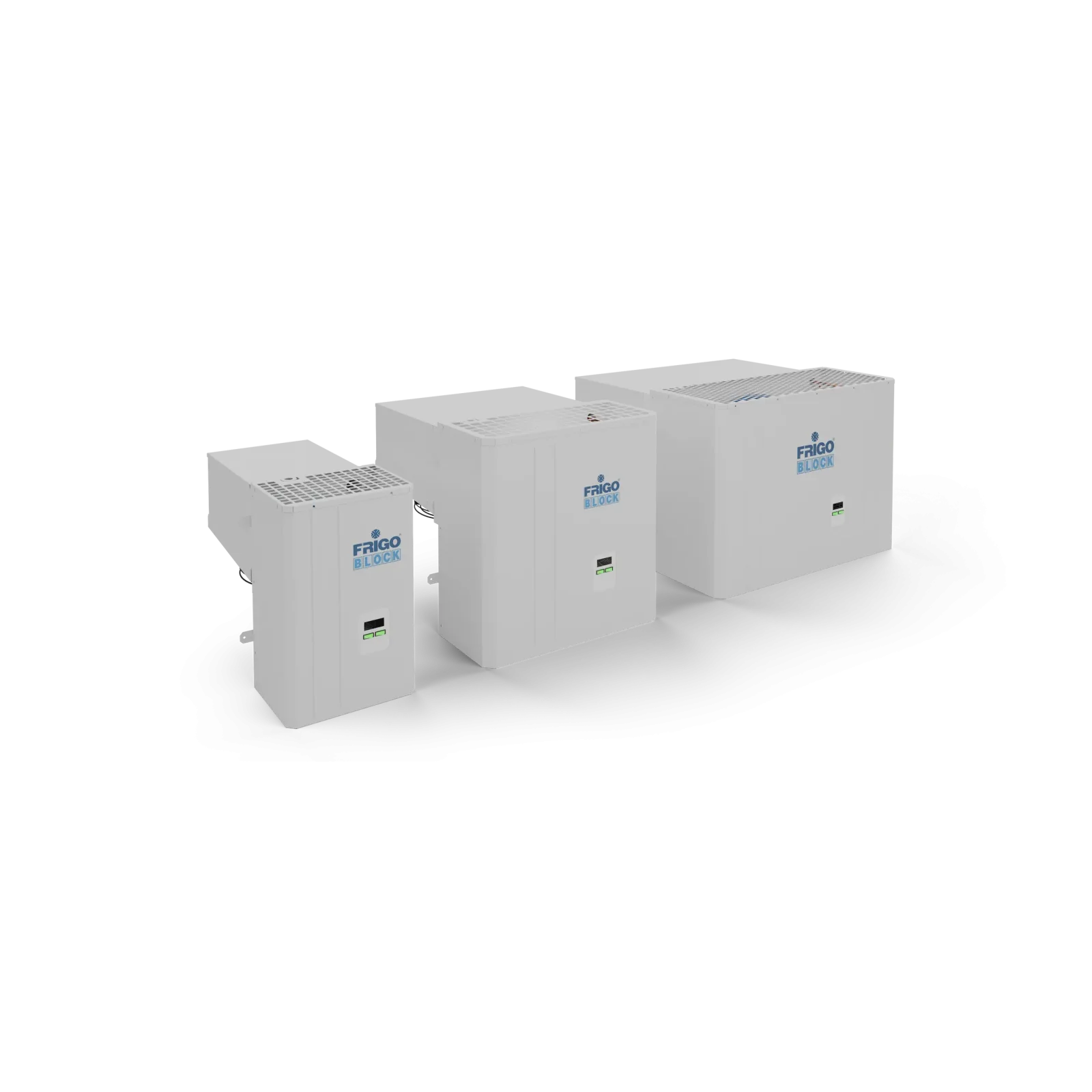
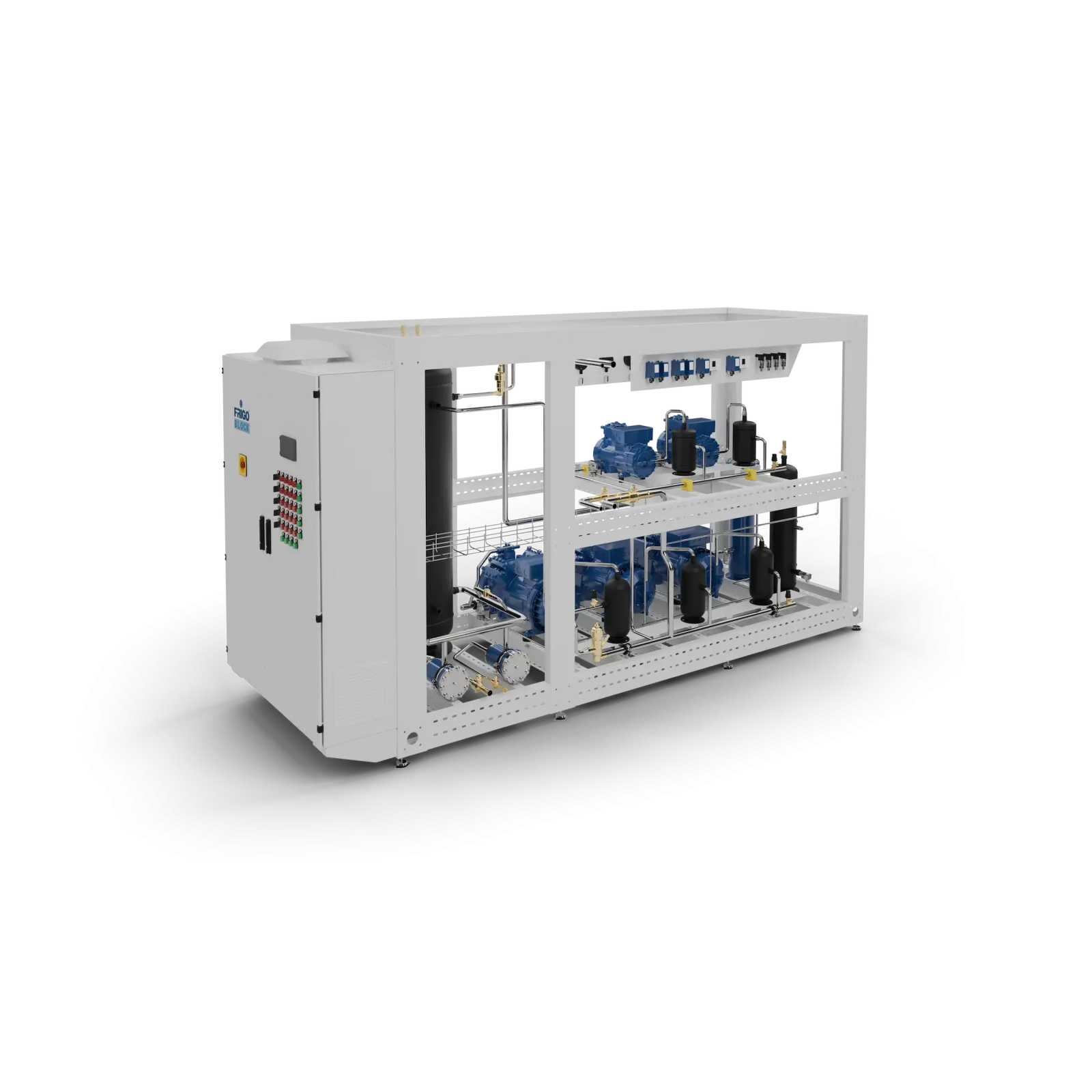
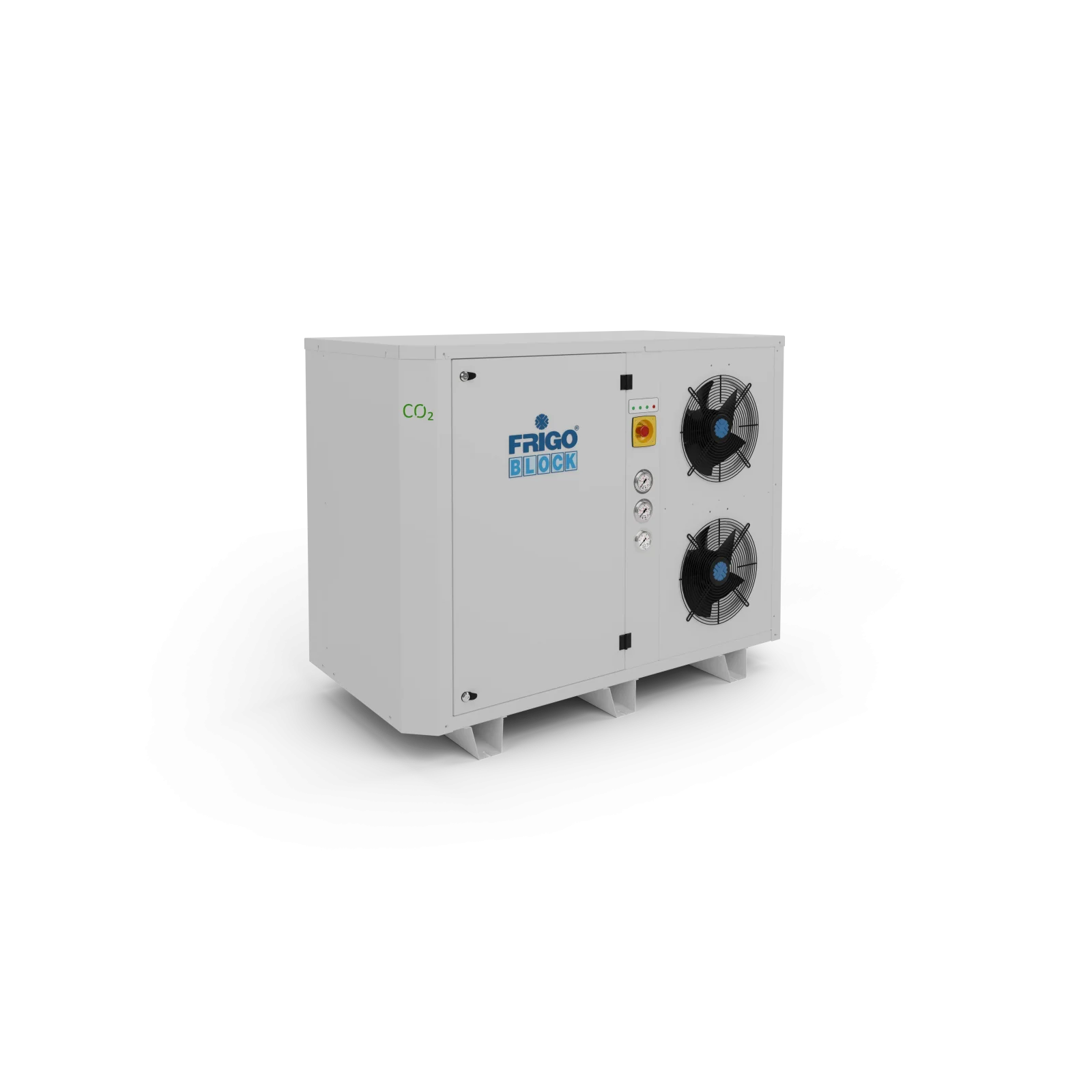
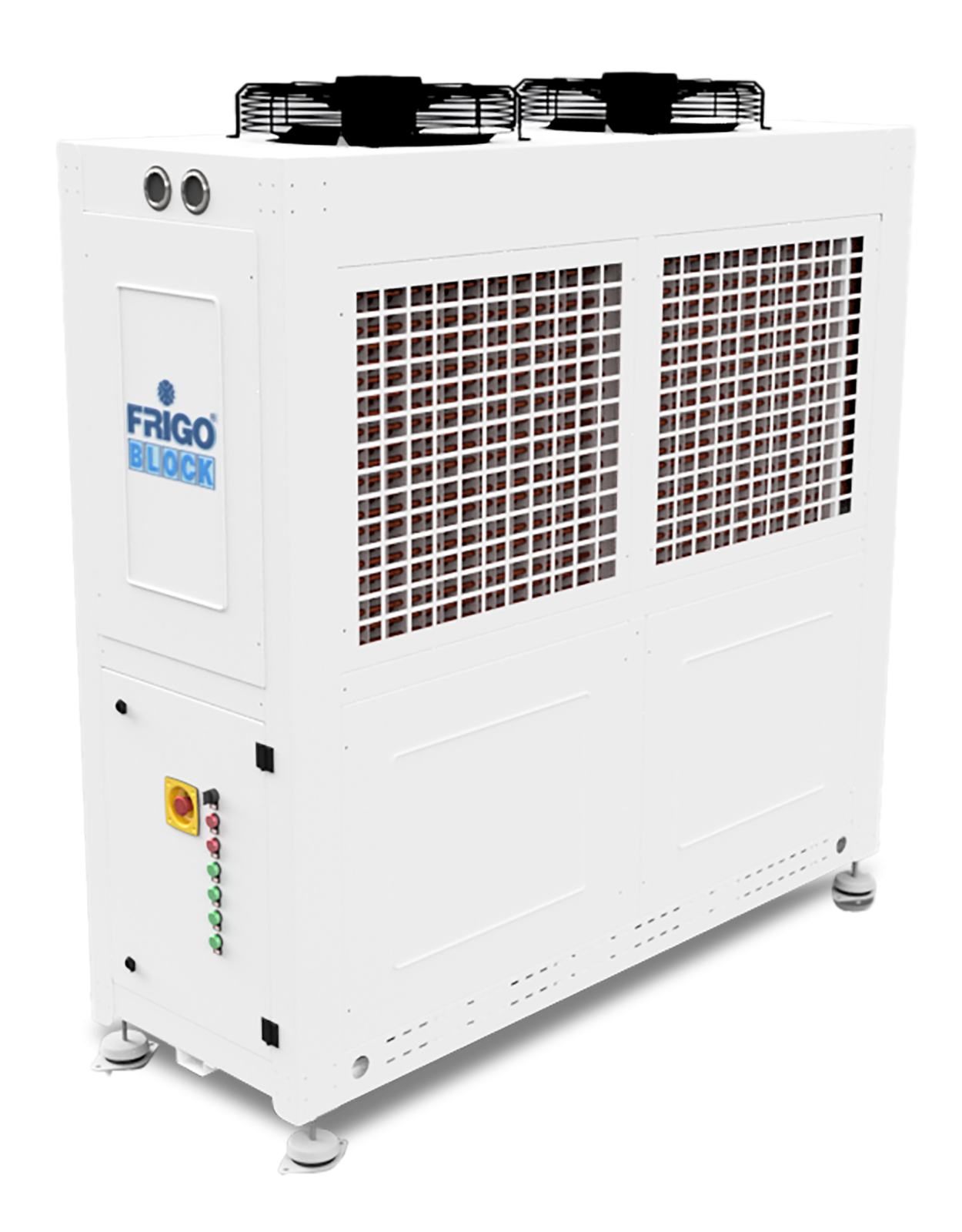
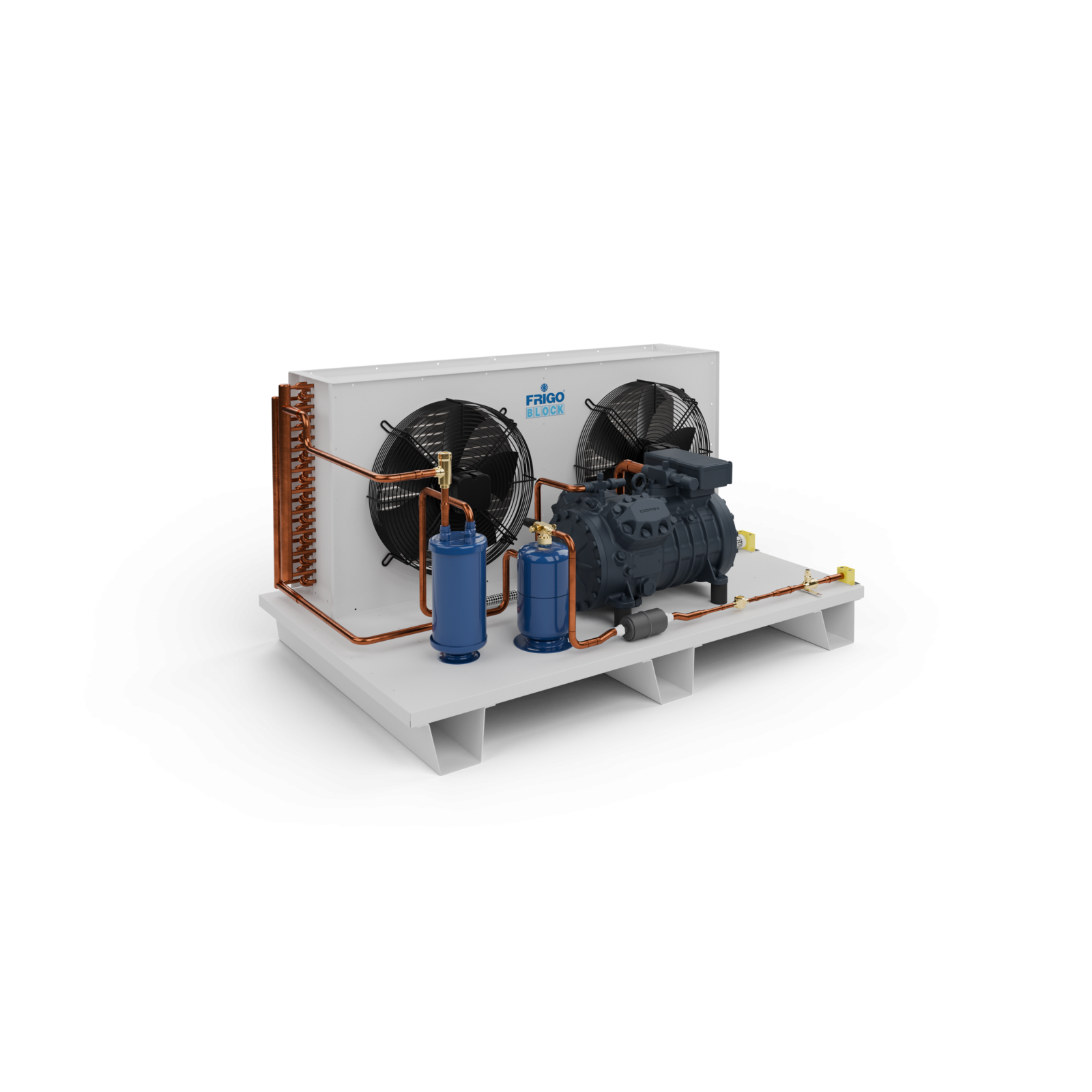
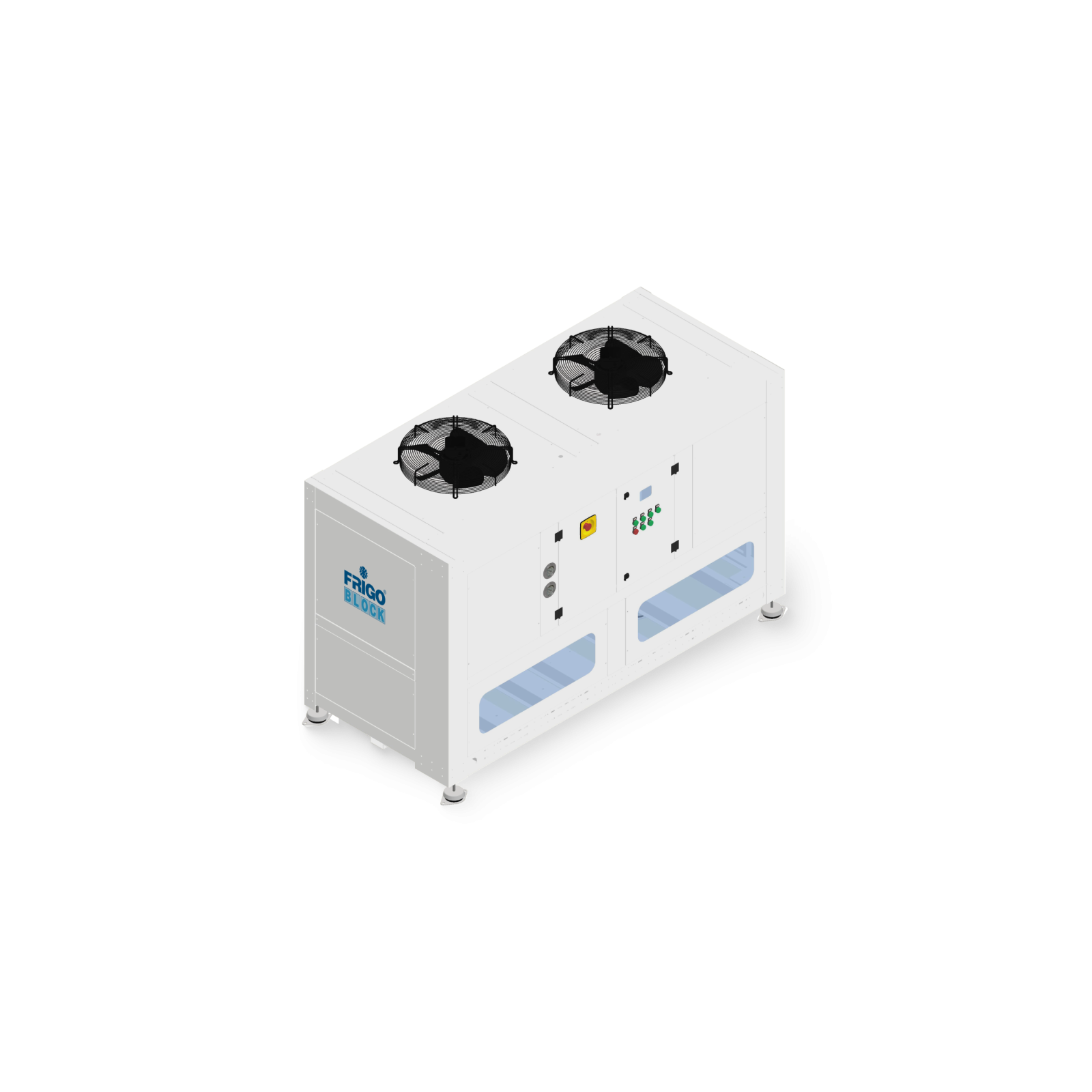
In industrial refrigeration applications, selecting the right system is critical in terms of energy efficiency, operational continuity, and investment costs. Split (separate) refrigeration systems, especially for small and medium-capacity cold storage facilities, stand out due to the engineering advantages they offer compared to central systems.
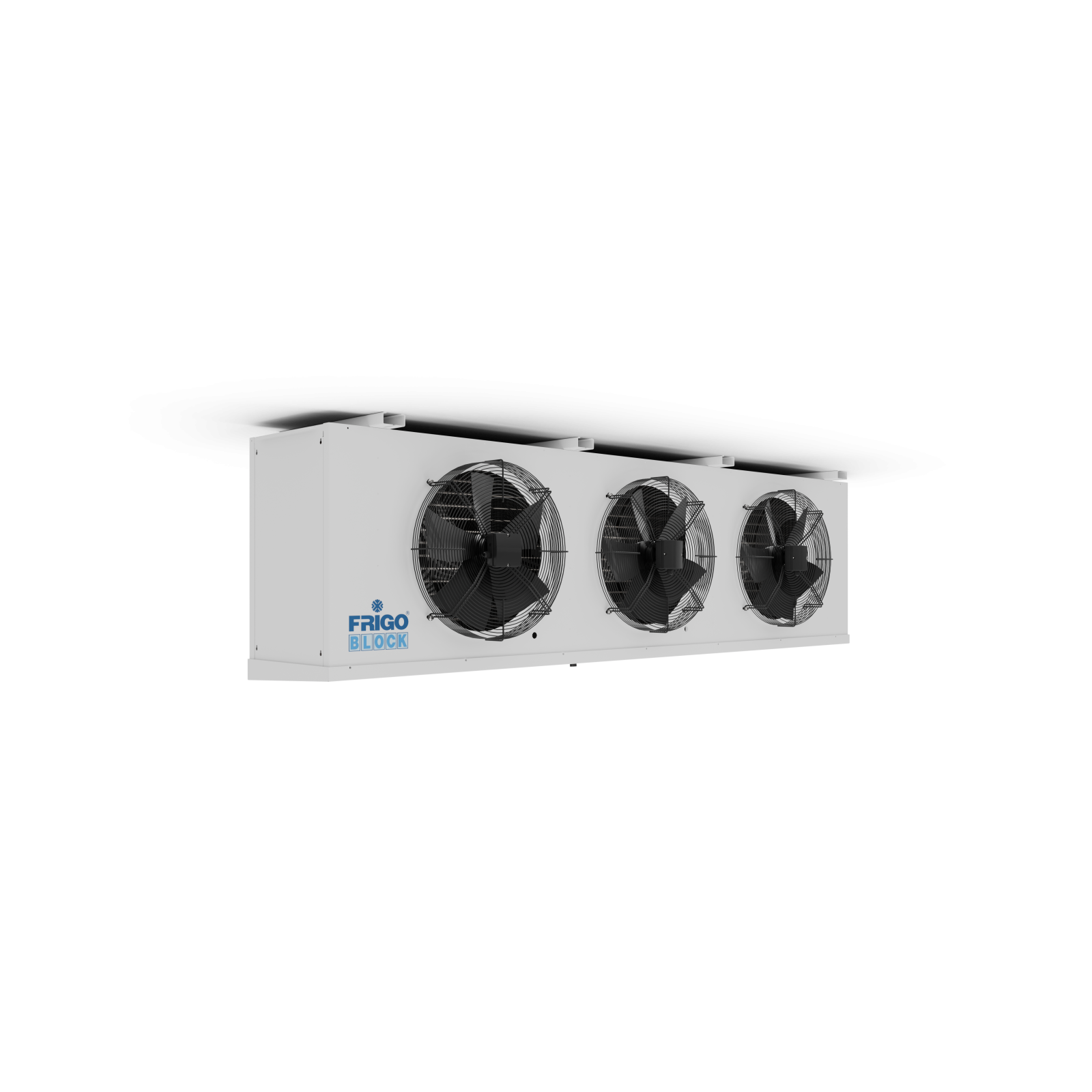
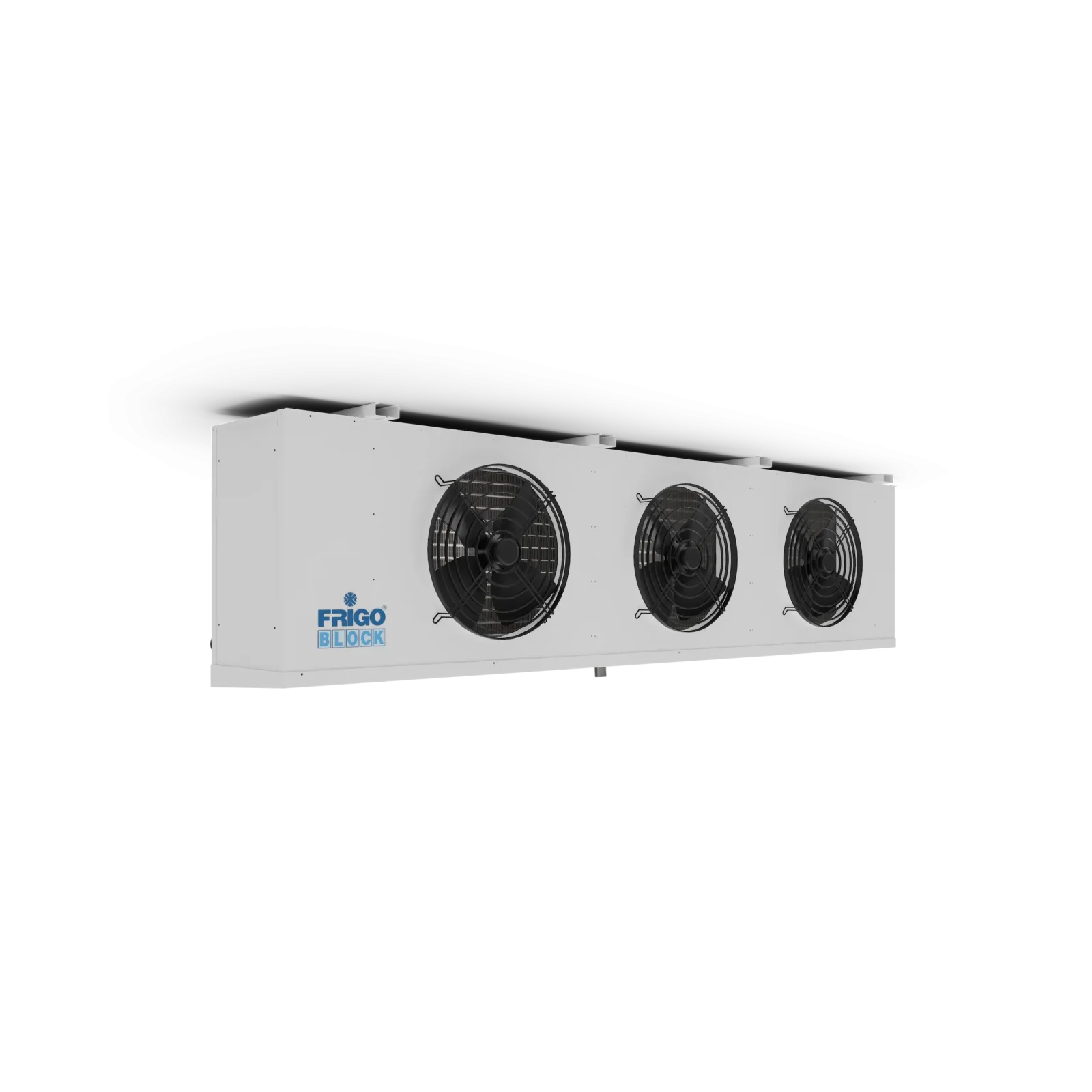
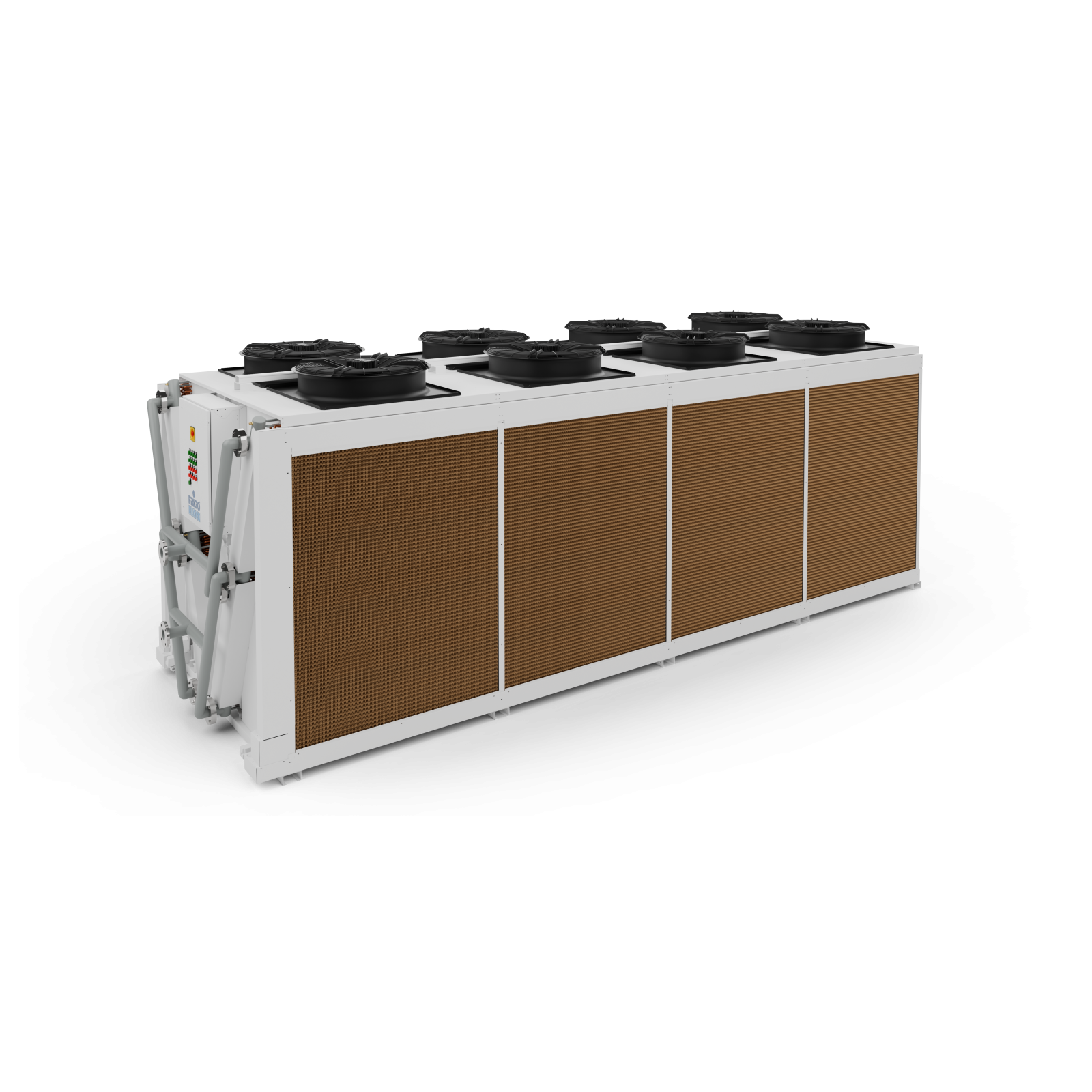
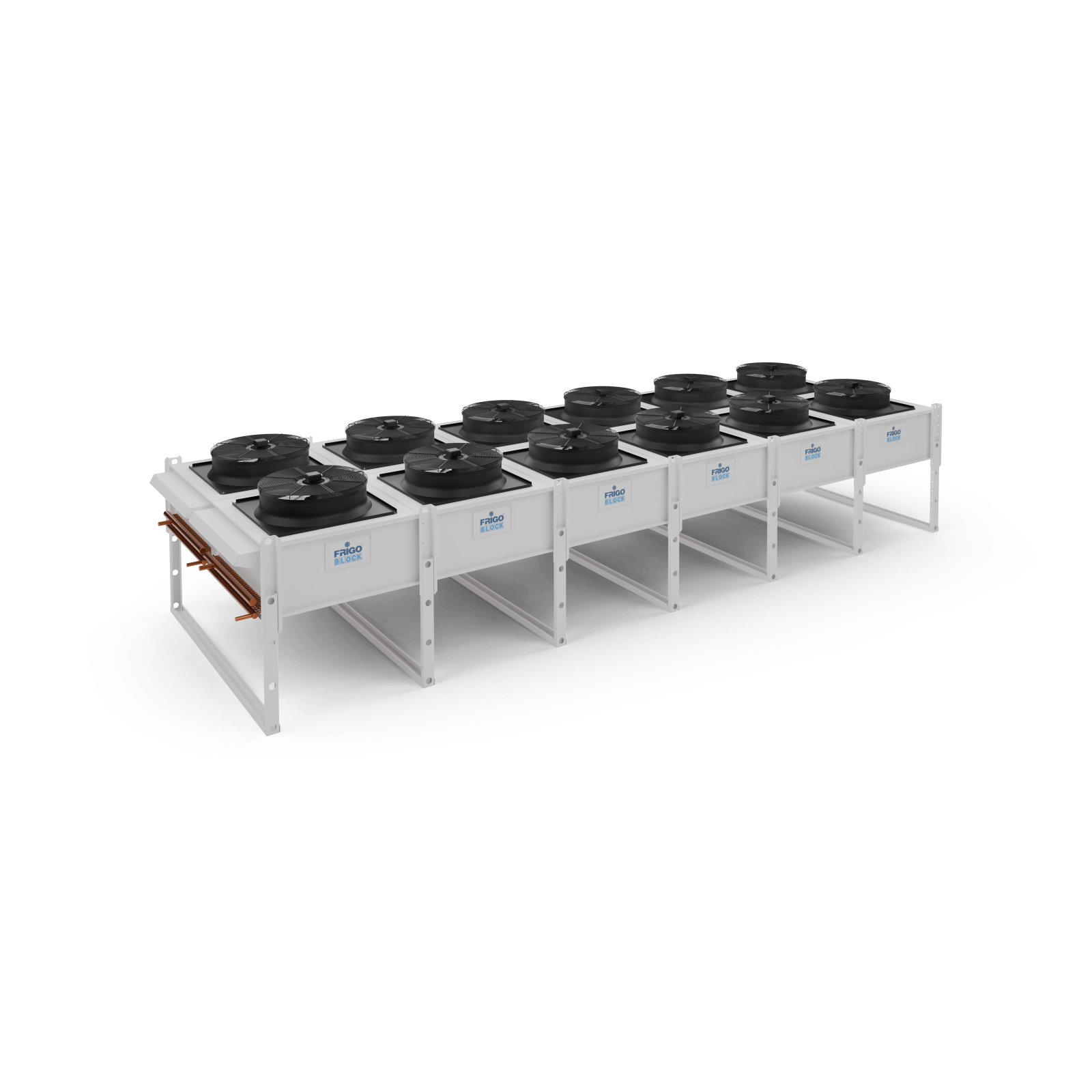
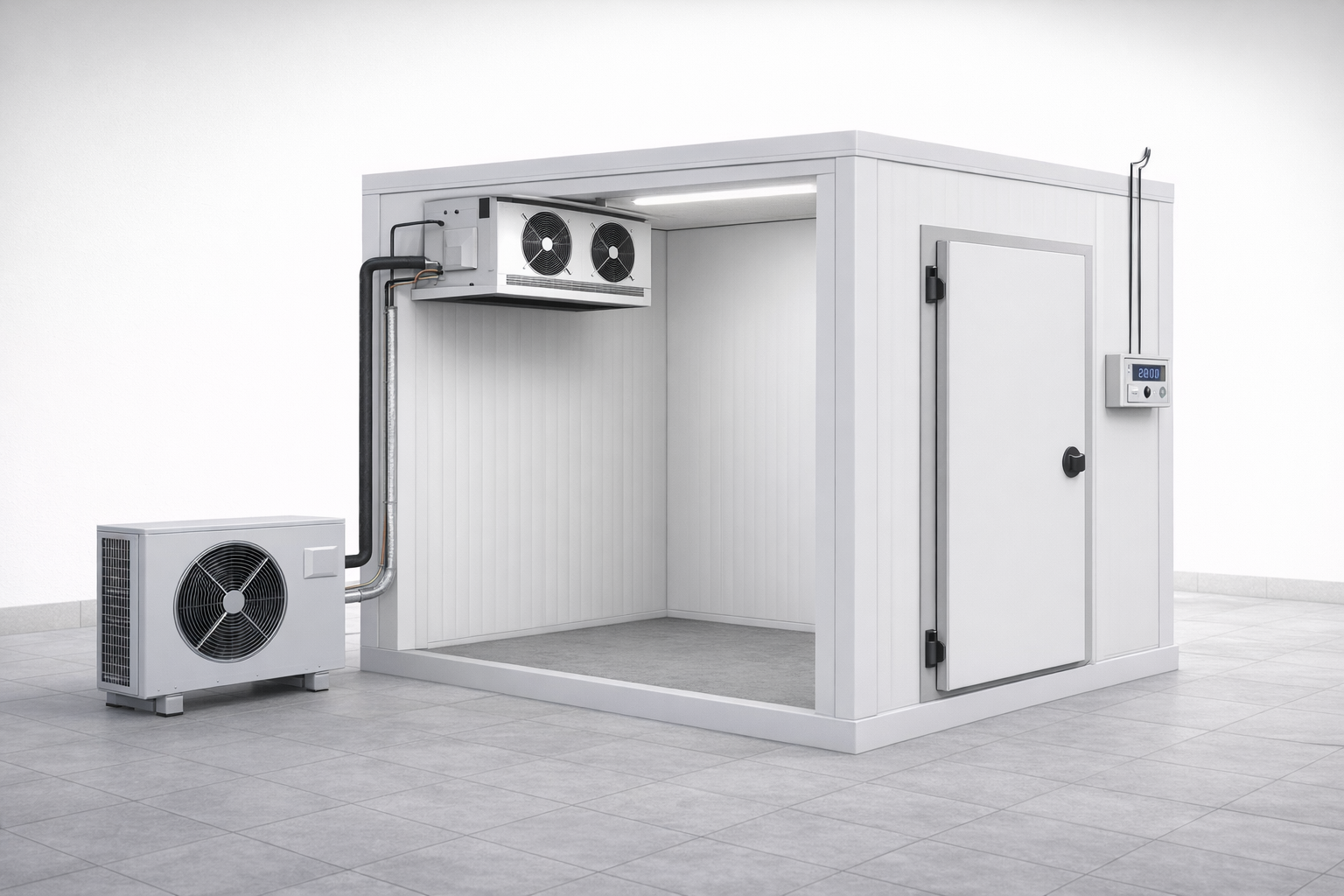
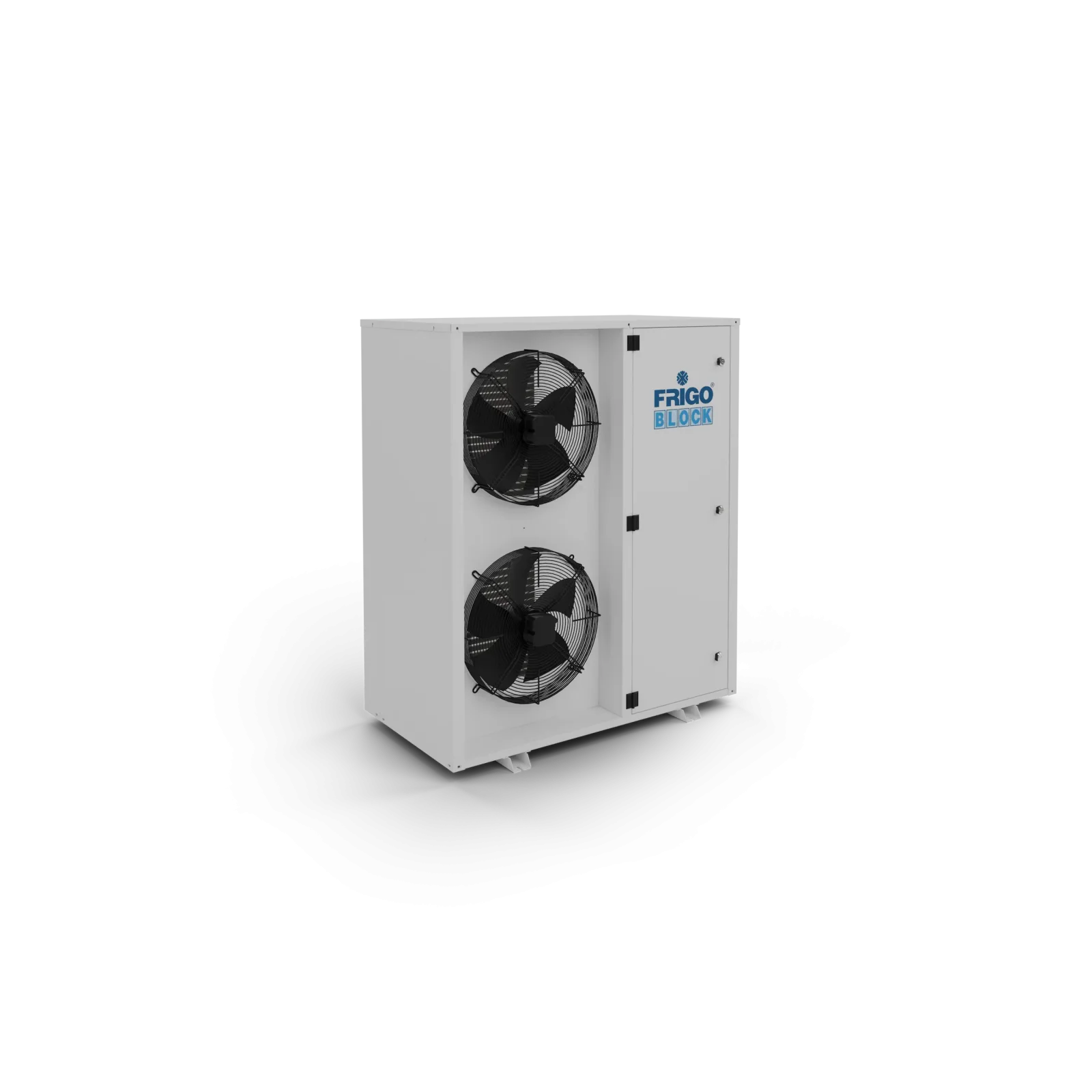
Split systems are independent and compact cooling solutions where the evaporator is located indoors, while the condenser and compressor unit are located outdoors. This design offers significant advantages during both installation and operation.

Split cooling systems allow for room-based capacity selection based on cooling load calculations. This ensures that the appropriate unit is used for each cold room. Separate placement of indoor and outdoor units optimizes space utilization within the facility while also allowing for future capacity increases.
Chillers, cooling towers, pump stations, and complex collector lines found in central systems are not present in split systems. This allows for:
This results in shorter installation times and significantly reduced investment costs.
Each split system operates with its own thermostat and control panel. This design ensures high temperature accuracy in areas with varying temperature requirements (cold storage, frozen storage, etc.) and protects product quality.
One of the most important advantages of split systems is their independent operating principle. A malfunction in one unit only affects the affected room; the rest of the facility continues to operate. This offers a significant risk management advantage in terms of maintaining the cold chain.


| Criterion | Split System | Central System |
|---|---|---|
| Installation Time | Short and simple | Long and complex |
| Initial Investment | Low | High |
| Energy Management | Local and flexible | Central and homogeneous |
| Fault Effect | Isolated (single room) | Critical (entire facility) |
| Care | Easy and fast | It requires expertise. |
Split systems offer flexibility and cost advantages in small and medium-sized facilities, while central systems are preferred in high-capacity facilities with homogeneous load distribution.

The condenser is the critical point where heat from the system is released to the atmosphere. Condenser fins clogged with dust and dirt increase the condensation temperature, thus increasing energy consumption. Therefore, the fins:
It should be cleaned regularly using [a specific method].

Icing significantly reduces heat transfer at the evaporator surface. Defrost times and frequency should be optimized according to the moisture load of the stored product.